
October 2–3, 2027 · in 327 days
Begins at sundown on Friday, October 1, 2027
Rosh Hashanah: Traditions, Simanim, Honey Cake & Greetings 2027
The biblical and Mishnaic roots of Rosh Hashanah, the shofar, tashlich and the Sephardi simanim seder, how the date is set, a honey cake recipe, greetings, messages and quotes.
Updated 10 messages 9 quotes Tap to copy any message
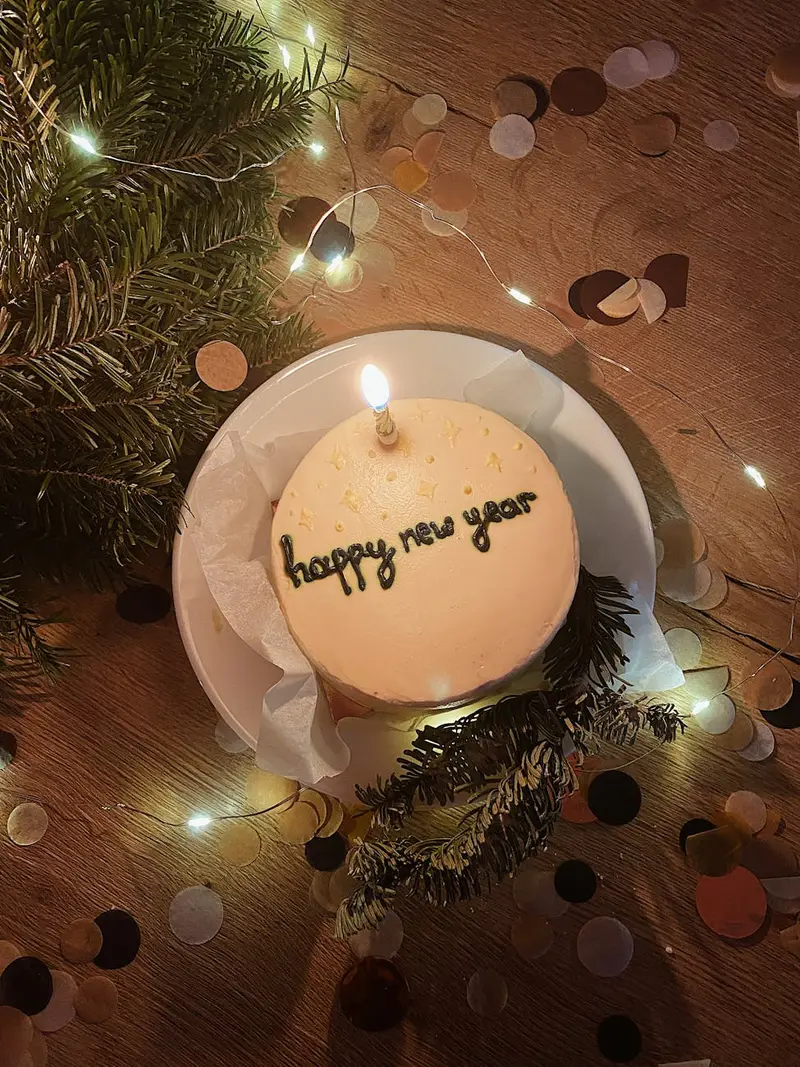
Rosh Hashanah, the Jewish New Year, falls on the 1st and 2nd of the Hebrew month of Tishrei and opens the Ten Days of Repentance that end on Yom Kippur. The Torah never calls it “new year”: it describes a sacred day on the first of the seventh month marked by loud blasts, which is why the shofar, not fireworks, is its central sound.
Where Rosh Hashanah Comes From
In the Torah. Leviticus 23:24–25 sets “the seventh month, on the first day of the month” as a day of complete rest, “a sacred occasion commemorated with loud blasts” (Leviticus 23, Sefaria), and Numbers 29:1 calls it yom teruah, a day of sounding the horn (Numbers 29:1, Sefaria). The seventh month is counted from Nisan, the month of Passover.
In the Mishnah. The name Rosh Hashanah, “head of the year,” comes from the Mishnah, which lists four new years: 1 Nisan for kings and festivals, 1 Elul for animal tithes, 1 Tishrei for counting years, sabbatical and jubilee years and planting, and 1 or 15 Shevat for trees. It also teaches that on Rosh Hashanah “all creatures pass before Him like sheep” (Mishnah Rosh Hashanah 1:1–2, Sefaria).
The Book of Life. The image behind the greetings comes from the Talmud: Rabbi Kruspedai, in the name of Rabbi Yochanan, taught that three books are opened on Rosh Hashanah. The wholly righteous are written and sealed for life at once, the wholly wicked for death, and the judgment of everyone in between is held open until Yom Kippur (Rosh Hashanah 16b, Sefaria).
How the Date Is Set
Rosh Hashanah begins at sundown on the evening before 1 Tishrei, so it usually lands in September or early October. By a rule of the fixed Hebrew calendar, remembered as lo ADU rosh, it can never begin on a Sunday, Wednesday or Friday: on a Sunday, Hoshana Rabbah would fall on Shabbat; on a Wednesday or Friday, Yom Kippur would fall on a Friday or Sunday, clashing with Shabbat (Office of the Chief Rabbi, UK).
Unlike other festivals, Rosh Hashanah is kept for two days even in Israel, because it falls on the first of a month, when the new moon’s date was hardest to confirm; tradition treats the two days as yoma arichta, one long 48-hour day (OzTorah). Most Reform congregations in North America keep one day, while some keep two in solidarity with Jews in Israel and elsewhere (ReformJudaism.org).
The Shofar
The shofar, usually a ram’s horn recalling the ram offered in place of Isaac, has three calls: tekiah, one long blast; shevarim, three short wails; and teruah, at least nine staccato bursts. The core sequence is 30 blasts, and the full custom reaches 100 over the morning and Musaf services. The shofar is not sounded on Shabbat, so when the first day falls on a Saturday it is heard only on the second day. Many communities also blow it on weekday mornings through the preceding month of Elul (Chabad.org).
Traditions Across Communities
- Apple, honey and round challah. On the first night, many families dip a sweet apple in honey with a prayer for a good, sweet year, and the challah, baked round rather than braided long, is dipped in honey too. On the second night, a fruit not yet eaten that season is placed on the table and eaten after Kiddush (Chabad.org).
- The Sephardi simanim seder. The Talmud records Abaye’s advice to see or eat squash, fenugreek, leeks, chard and dates at the start of the year (Horayot 12a, Sefaria). Sephardi and Mizrahi families turned this into a seder of blessings, each opening yehi ratzon (“may it be Your will”) and built on a pun: dates (tamar) for enemies to “end” (yitamu), leeks (karti) for them to be “cut off,” beets or chard (selek) for them to “depart,” fenugreek or beans (rubia) for merits to “increase,” pomegranate seeds for mitzvot, and a fish or sheep’s head to be “the head and not the tail.” Libyan Jews use sugar and sesame seeds in place of fenugreek or beans (My Jewish Learning).
- Tashlich. On the first afternoon, or the second if the first day is Shabbat, many Jews recite prayers by water containing fish, asking that sins be cast “into the depths of the sea” (Chabad.org). The name comes from Micah 7:19, and the earliest written source is the Maharil, Rabbi Yaakov Moelin of Germany (c. 1365–1427). He objected to feeding the fish, and later authorities called throwing bread into the river an inferior practice. The custom spread to Sephardi communities through the Arizal, but the Vilna Gaon reportedly did not perform it (OU Torah).
- Uman, Ukraine. Breslov Hasidim travel to the grave of Rabbi Nachman of Breslov, who asked his followers to be with him for Rosh Hashanah and was buried in Uman in 1810. The pilgrimage continued even under Communism; organisers expected more than 50,000 visitors in 2019 (JNS).
Honey Cake (one 9 x 13 inch cake, about 20 squares)
This oil-based cake contains no dairy, so it can follow a meat meal in a kosher home. It tastes better a day or two after baking.
Ingredients
- 2 1/2 cups (315 g) all-purpose flour
- 1 tsp baking powder and 1 tsp baking soda
- 1/2 tsp salt
- 2 tsp ground cinnamon, 1/2 tsp ground ginger, 1/4 tsp ground cloves
- 3 large eggs
- 1 cup (340 g) honey
- 3/4 cup (150 g) brown sugar
- 3/4 cup (180 ml) neutral oil
- 1 cup (240 ml) strong coffee or black tea, cooled
- 1/4 cup (60 ml) orange juice
Method
- Heat the oven to 350°F (175°C). Grease a 9 x 13 inch pan and line the base with baking paper.
- Whisk the flour, baking powder, baking soda, salt and spices in a bowl.
- In a large bowl, whisk the eggs with the honey, sugar and oil until smooth, then whisk in the coffee and orange juice.
- Add the dry ingredients and stir just until no streaks of flour remain. The batter will be thin.
- Pour into the pan and bake 40–45 minutes, until a skewer comes out clean. (In a 10-inch tube pan, bake 55–65 minutes at 325°F/165°C.)
- Cool completely, then wrap tightly and keep at room temperature for a day before cutting.
Greetings and When to Use Them
- Shanah tovah (“a good year”) or L’shanah tovah u’metukah (“for a good and sweet year”): before and during the holiday.
- Ketivah vachatimah tovah (“a good writing and sealing”): from Rosh Hashanah through the Ten Days, echoing the Book of Life.
- Chag sameach: a general festival greeting that works for any guest.
- If you send cards, post them in the last week or two of Elul so they arrive before the holiday.
Messages
- “Shanah tovah u’metukah! Wishing you a good and sweet new year.”
- “May you be inscribed and sealed for a good year. Ketivah vachatimah tovah!”
- “Apples, honey and a round challah: may your new year be sweet and full.”
- “May you hear all hundred blasts of the shofar this Rosh Hashanah.”
- “Wishing you a meaningful Tashlich by the water, and a fresh start for the year ahead.”
- “Yehi ratzon: may your year be as full of blessings as a pomegranate is of seeds.”
Quotes
- “In the seventh month, in the first day of the month, shall ye have a sabbath, a memorial of blowing of trumpets, an holy convocation. – Leviticus 23:24”
- “Blow up the trumpet in the new moon, in the time appointed, on our solemn feast day. – Psalm 81:3”
- “God is gone up with a shout, the LORD with the sound of a trumpet. – Psalm 47:5”
- “This day is holy unto our Lord: neither be ye sorry; for the joy of the LORD is your strength. – Nehemiah 8:10”
- “So teach us to number our days, that we may apply our hearts unto wisdom. – Psalm 90:12”
- “Awe is more than an emotion; it is a way of understanding, insight into a meaning greater than ourselves. – Abraham Joshua Heschel”
- “For last year’s words belong to last year’s language and next year’s words await another voice. – T.S. Eliot”
- “The beginning is the most important part of any work. – Plato”
- “The only way to make sense out of change is to plunge into it, move with it, and join the dance. – Attributed to Alan Watts”
FAQ
When is Rosh Hashanah 2027? Rosh Hashanah 2027 begins at sundown on Friday, October 1, 2027 and ends at nightfall on Sunday, October 3, 2027.
Why is Rosh Hashanah two days, even in Israel? It falls on the first of the month, when the date depended on witnesses sighting the new moon, so a second day was kept as a safeguard; tradition treats both as one long day (OzTorah). Most North American Reform congregations keep one day (ReformJudaism.org).
What does “L’Shanah Tovah” mean? “For a good year.” The longer form, “L’Shanah Tovah U’Metukah,” adds “and sweet.”
What is Tashlich? A short service by water containing fish, named for Micah 7:19, first recorded by the Maharil in 15th-century Germany (OU Torah). It is held on the first afternoon, or the second if the first day is Shabbat.
Why can’t Rosh Hashanah start on a Sunday, Wednesday or Friday? The fixed calendar avoids those days so that Hoshana Rabbah does not fall on Shabbat and Yom Kippur does not fall the day before or after Shabbat (Office of the Chief Rabbi).
Related Celebrations
As you observe Rosh Hashanah, explore our guides for Yom Kippur for the Day of Atonement and Passover for Jewish spring celebrations. For other new year traditions, read our New Year and Chinese New Year articles.
Related holidays

September 18
Oktoberfest History, Traditions
September 15
Mid-Autumn Festival: History, Traditions
February 9
Mardi Gras History, King Cake Recipe
October 1
International Coffee Day