
Monday, October 11, 2027 · in 336 days
Begins at sundown on Sunday, October 10, 2027
Yom Kippur: Fast, Services, Traditions & Break-Fast 2027
The biblical origin of Yom Kippur, the five prohibitions, how the 25-hour day runs from Kol Nidre to Ne'ilah, kaparot, Israel's silent roads, break-fast foods by community, greetings, messages and quotes.
Updated 10 messages 10 quotes Tap to copy any message
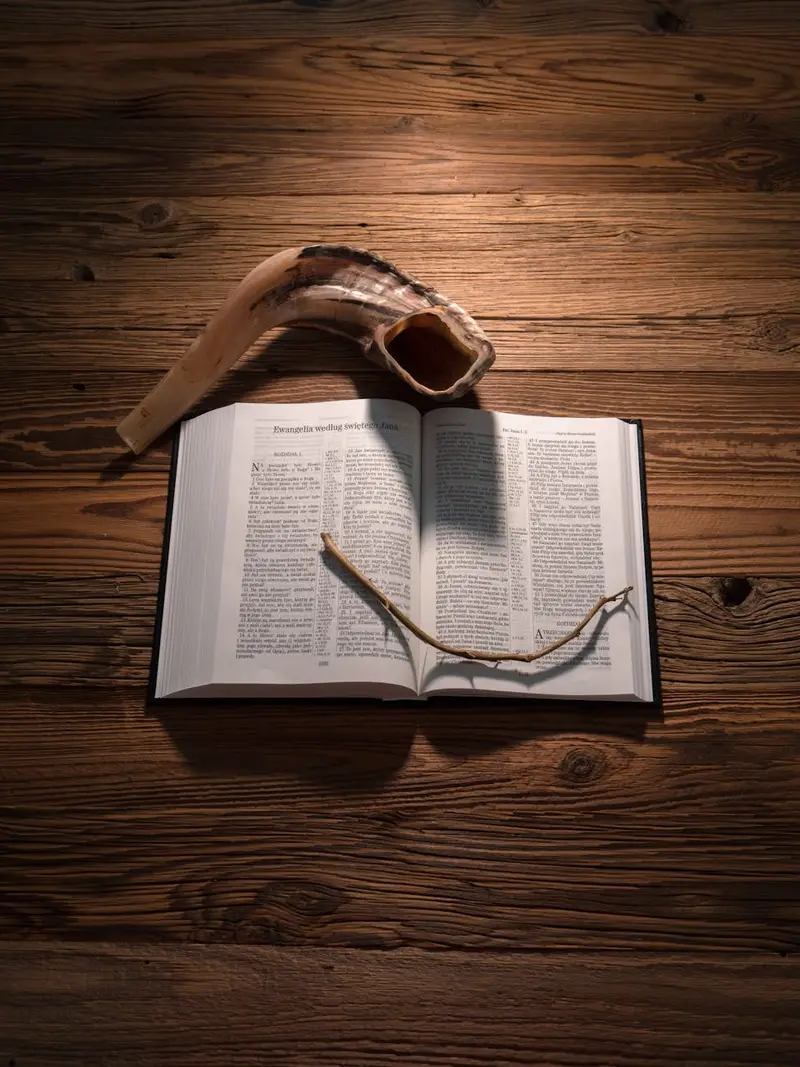
Yom Kippur, the Day of Atonement, falls on the 10th of Tishrei, ten days after Rosh Hashanah, and is the holiest day of the Jewish year. It is kept “from evening to evening” with a fast of about 25 hours, and in Israel it is the one day when radio and television go silent and the highways empty of cars.
Where Yom Kippur Comes From
Leviticus 23:27–32 sets the tenth day of the seventh month as the Day of Atonement, a sabbath of complete rest and self-denial, observed from the evening of the ninth “from evening to evening” (Leviticus 23, Sefaria). Leviticus 16 describes the ritual in the sanctuary: the High Priest cast lots over two goats, one offered to God and one, “for Azazel,” sent alive into the wilderness (Leviticus 16, Sefaria).
After the Temple was destroyed, the rabbis defined the “self-denial” as five prohibitions: eating and drinking, bathing, anointing with oil, wearing (leather) shoes, and marital relations (Mishnah Yoma 8:1, Sefaria). They also drew a limit that shapes the days before the fast: Yom Kippur atones for wrongs against God, but wrongs against another person are not atoned until the wrongdoer has made peace with the one harmed (Mishnah Yoma 8:9, Sefaria). That is why many people ask friends and family for forgiveness during the Ten Days of Repentance.
The day was not always only solemn. The Mishnah records that on Yom Kippur and the 15th of Av the young women of Jerusalem went out in borrowed white garments, so that no one would be shamed for lacking her own, and danced in the vineyards (Mishnah Ta’anit 4:8, Sefaria).
How the Day Runs
Erev Yom Kippur (the day before). Many people perform kaparot in the morning (see below), give charity, and eat a festive pre-fast meal, the seudah mafseket, in the afternoon. Before sunset, women and girls light holiday candles, and everyone changes into non-leather shoes; married Ashkenazi men traditionally wear a white robe called a kittel, which is also the traditional burial shroud (Chabad.org). Many others also wear white.
Kol Nidre (evening). The evening service opens with Kol Nidre, an Aramaic declaration annulling personal vows to God made rashly or unknowingly. It begins in daylight and is usually chanted three times. Its origins are unknown; it is first mentioned in eighth-century Babylonian responsa, and Rabbenu Tam’s 12th-century wording is the standard Ashkenazi text, while Italian and Romanian rites kept an older Hebrew version. Because antisemites used it to claim Jewish oaths were worthless, an 1844 German Reform synod recommended dropping it; the American Reform Union Prayer Book restored the full Aramaic text in 1961 (Jewish Virtual Library).
The day. The morning service includes the Torah reading from Leviticus and, in many synagogues, the Yizkor memorial prayers. The afternoon service includes the entire Book of Jonah as the prophetic reading. The day closes with Ne’ilah, “locking,” as the sun sets, followed by a single long shofar blast. The fast ends after nightfall with Havdalah, said without the blessing over spices (Chabad.org).
Timing. Because the fast starts before sunset and ends after nightfall, it runs about 25 hours. Local synagogues publish candle-lighting and fast-end times each year.
Traditions Across Communities
- Kaparot. On the morning before Yom Kippur, a chicken (a rooster for a male, a hen for a female) is traditionally passed over each person’s head with the words “this is my exchange, this is my substitute, this is my atonement,” then slaughtered and given, or its value given, to the poor. The Shulchan Aruch (605:1), following the Rashba, called the custom improper and ruled it should stop; the Rema, the authority for Ashkenazim, held it should not be abandoned, and through the Arizal’s influence both Ashkenazim and Sephardim adopted it. Today many people swing a bag of coins and give the money to charity instead (Peninei Halakha).
- Israel’s silent day. Ben Gurion Airport stops flights in the early afternoon, buses and trains halt, and radio and television broadcasts fall silent at sundown. With almost no cars on the roads, tens of thousands of children and teenagers ride bicycles down the empty streets and highways (The Times of Israel).
- Breaking the fast. Each community has its own first foods (My Jewish Learning):
- Ashkenazi: bagels, smoked fish, pickled herring, blintzes and cake.
- Iraqi: a sweet drink first, such as hariri (almond milk with cardamom), and date-filled cookies, then a meat meal.
- Moroccan: mint tea with pastries, then harira, a tomato soup with chickpeas or lentils.
- Persian: black tea with a soft-boiled egg and faloudeh seeb, grated apple with rosewater.
- Greek: pepitada, a drink of toasted melon seeds, and lemon-egg chicken soup.
- Syrian: apricot water, and sambusek, turnovers filled with cheese, spinach or chickpeas.
Who Fasts
Jewish law obliges adults to fast: girls from age 12 and boys from 13, the ages of bat and bar mitzvah. The Mishnah says younger children are not made to fast but are trained with partial fasts of a few hours a year or two before that age, and that anyone whose life could be endangered must eat (Mishnah Yoma 8:4–5, Sefaria).
Greetings: What to Say
- G’mar chatimah tovah (“a good final sealing”): the traditional greeting before and on the day, referring to the Book of Life.
- Tzom kal or “have an easy fast”: said to someone who is fasting, usually before the holiday begins.
- Avoid “Happy Yom Kippur.” It is a solemn day; “Have a meaningful fast” works well for colleagues and friends.
- Don’t schedule meetings or meals with Jewish colleagues for that day, and expect many to leave early the afternoon before.
Messages
- “G’mar chatimah tovah! May you be sealed for a good year.”
- “Tzom kal: wishing you an easy and meaningful fast.”
- “Wishing you a quiet, reflective Yom Kippur and a joyful break-fast with family.”
- “May your prayers at Kol Nidre be heard, and may Ne’ilah close the gates on a good year.”
- “Forgive me if I’ve hurt you this year. Wishing you a meaningful Yom Kippur.”
- “Wishing you a peaceful day of rest and reflection.”
Quotes
- “For on this day atonement shall be made for you to purify you of all your sins; you shall be pure before God. – Leviticus 16:30”
- “Transgressions between a person and God, Yom Kippur atones for them. Transgressions between one person and another, Yom Kippur does not atone until the wrongdoer has appeased the one he harmed. – Mishnah Yoma 8:9”
- “Is not this the fast that I have chosen? to loose the bands of wickedness, to undo the heavy burdens, and to let the oppressed go free. – Isaiah 58:6”
- “Though your sins be as scarlet, they shall be as white as snow. – Isaiah 1:18”
- “Some are guilty, but all are responsible. – Abraham Joshua Heschel”
- “To err is human, to forgive divine. – Alexander Pope”
- “The weak can never forgive. Forgiveness is the attribute of the strong. – Mahatma Gandhi”
- “Without forgiveness there is no future. – Desmond Tutu”
- “Forgiveness does not change the past, but it does enlarge the future. – Paul Boese”
- “Forgiveness is the key to action and freedom. – Attributed to Hannah Arendt”
FAQ
When is Yom Kippur 2027? Yom Kippur 2027 begins at sundown on Sunday, October 10, 2027 and ends at nightfall on Monday, October 11, 2027.
What are the five prohibitions of Yom Kippur? Eating and drinking, bathing, anointing with oil, wearing leather shoes, and marital relations (Mishnah Yoma 8:1).
What does “G’mar Chatimah Tovah” mean? “A good final sealing”: the hope that you are sealed in the Book of Life, whose judgment the Talmud describes as opened on Rosh Hashanah and settled by Yom Kippur.
Why do people wear white on Yom Kippur? White is a sign of purity, and the kittel worn by many Ashkenazi men is also the traditional burial shroud, a reminder of mortality (Chabad.org). The Mishnah also describes Jerusalem’s young women dancing in white on Yom Kippur (Mishnah Ta’anit 4:8).
What is Kol Nidre? The Aramaic declaration annulling vows to God that opens the evening service. It is first attested in the eighth century (Jewish Virtual Library).
What happens at Ne’ilah? Ne’ilah (“locking”) is the closing service, said as the sun sets, and ends with one long shofar blast. The fast ends after nightfall and Havdalah (Chabad.org).
Related Celebrations
As you observe Yom Kippur, explore our guides for Rosh Hashanah for Jewish New Year traditions and Passover for spring Jewish celebrations. For spiritual reflection, read our International Day of Peace and World Mental Health Day articles.
Related holidays

October 2
Rosh Hashanah: Traditions, Simanim, Honey Cake
November 1
Day of the Dead
September 18
Oktoberfest History, Traditions
September 15
Mid-Autumn Festival: History, Traditions