
Wednesday, October 6, 2027 · in 331 days
National Anti-Bullying Day: Unity Day, Pink Shirt Day & How to Take Part 2027
Anti-Bullying Day on the first Wednesday of October opens National Bullying Prevention Month: PACER's history and orange Unity Day, Canada's Pink Shirt Day story, a step-by-step plan for a school wear-a-colour day, plus messages and quotes.
Updated 6 messages 8 quotes Tap to copy any message
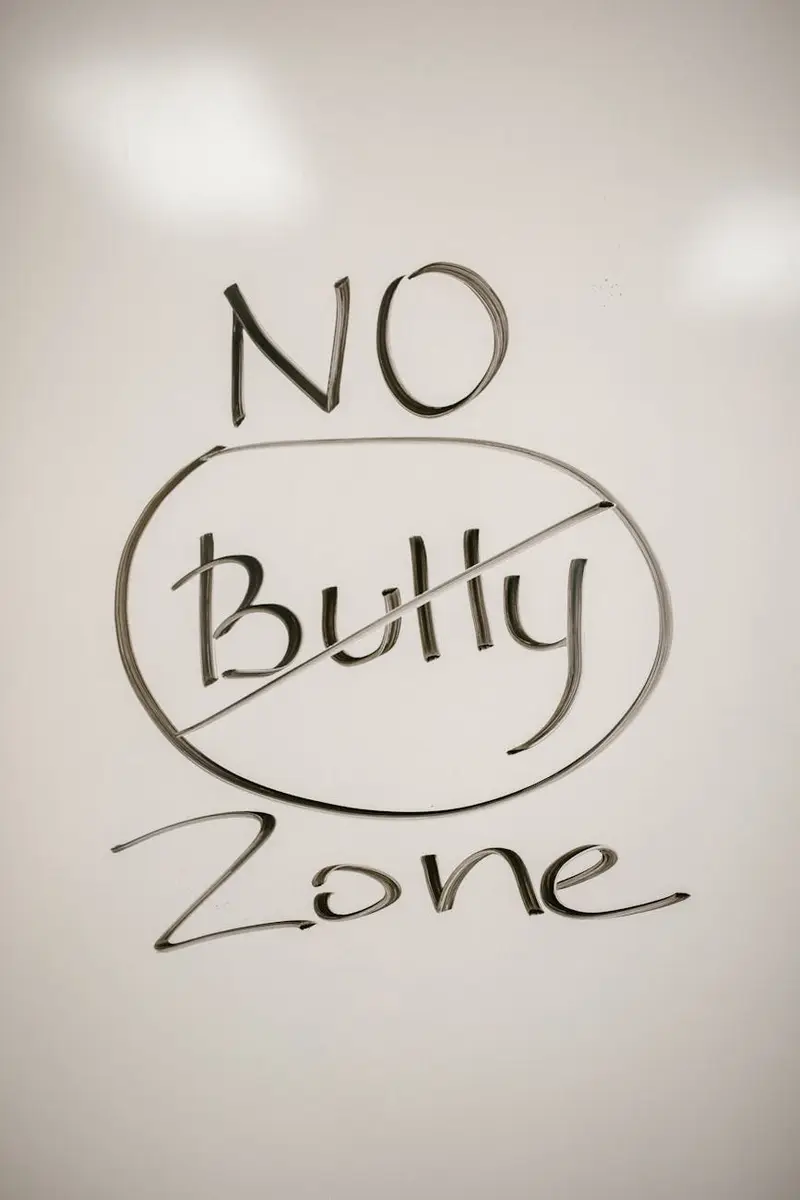
National Anti-Bullying Day falls on the first Wednesday of October, the opening week of National Bullying Prevention Month in the United States. The month’s best-known tradition is a colour: on Unity Day, students wear orange, and in Canada a similar day in pink began in 2007 when two high-school seniors bought about 75 pink items for classmates after a younger boy was bullied for wearing pink.
Origin: A Day Inside a Month
No single founder for the first-Wednesday date. No organisation, proclamation or resolution is documented as having established a “National Anti-Bullying Day” on the first Wednesday of October, and the UN has no international day on bullying (UN list of international days). What is documented is the observance it sits inside.
National Bullying Prevention Month (PACER, 2006). PACER Center founded National Bullying Prevention Month through its National Bullying Prevention Center in 2006. It began as a week-long event and became a month-long one in 2010 (PACER). It runs through October.
Unity Day (2011). PACER held the first Unity Day in October 2011 as the month’s signature event. It is “typically held annually on the third Wednesday” of October, so in most years it comes two weeks after the first-Wednesday Anti-Bullying Day. The call to action is “to wear and share the color orange” as a visible message of kindness, acceptance and inclusion (PACER).
Traditions: Orange in the US, Pink in Canada
- Unity Day, United States. Schools put up Unity Day posters, students and staff wear something orange (shirts, shoelaces, socks, sunglasses), and classes hold a discussion about unity and bullying prevention. PACER’s suggested activities include Project Connect, where each student writes a message on a strip of orange paper and the strips are linked into one long chain; a Unity Tree; a Unity Parade; orange crowns for every student; and a printable 72 x 36 inch banner that everyone signs (PACER).
- Pink Shirt Day, Canada. In 2007 a new Grade 9 student at Central Kings Rural High School in Cambridge, Nova Scotia, was harassed with homophobic insults and threatened for wearing pink. Grade 12 students Travis Price and David Shepherd bought about 75 pink items, asked classmates online to wear pink, and hundreds of students arrived in pink the next day (Canadian Museum of History). The idea became Pink Shirt Day, held across Canada on the last Wednesday of February. In British Columbia the CKNW Kids’ Fund runs the Pink Shirt Day campaign, selling shirts and funding local anti-bullying programmes that teach empathy and kindness (Pink Shirt Day); its telling of the story mentions 50 pink tank tops from a discount store (Pink Shirt Day).
How to Run a Wear-a-Colour Day at School
This plan follows the Unity Day and Pink Shirt Day model. It suits a single class or a whole school; adapt the colour to orange (Unity Day) or pink (Pink Shirt Day).
Two weeks before
- Pick the date and colour, and get the principal’s agreement. If the day is on the first Wednesday of October, it can open a month that ends with Unity Day.
- Recruit a small student committee (four to six students across grades). Student-led days follow the Nova Scotia example, where the idea came from students, not staff.
- Order or print posters. PACER offers free Unity Day posters and a 72 x 36 inch banner; Pink Shirt Day sells official shirts.
One week before 4. Announce the day in assemblies and newsletters: what to wear, and why. Tell the Nova Scotia story in two or three sentences. 5. Make sure no one is left out for cost reasons: keep a box of spare coloured ribbons, stickers or paper wristbands at the office so everyone can join. 6. Cut strips of coloured paper, about 2 x 8 inches, for a Project Connect chain: one per student.
On the day 7. Morning: hand out spare ribbons at the door; take a whole-school photo in the colour. 8. Homeroom (15 minutes): each student writes one message of support or one thing they will do when they see someone left out on a paper strip. Link the strips into a chain and hang it in a hallway. 9. Classroom discussion (20 minutes): ask what a bystander can do, and remind students who the trusted adults are and how to report bullying at your school. 10. End of day: sign the banner and display it near the entrance for the rest of the month.
Afterwards 11. Keep the chain up and add links when students report kind acts; take it down at the end of the month.
PACER’s Teens Against Bullying and Kids Against Bullying sites have student-facing ideas for each age group.
Messages
- “Bullying stops when we choose to be upstanders instead of bystanders.”
- “Wearing orange today for Unity Day, for every student who deserves to feel safe at school.”
- “Pink shirt on, kindness turned up. Thank you to the two students in Nova Scotia who started it.”
- “Every child deserves to learn and grow without fear or intimidation.”
- “Today we sign the banner, and tomorrow we keep the promise. Together against bullying.”
- “Words have power: today we choose to use ours to build up, not tear down.”
Quotes
- “We must always take sides. Neutrality helps the oppressor, never the victim. Silence encourages the tormentor, never the tormented. – Elie Wiesel”
- “The ultimate measure of a man is not where he stands in moments of comfort and convenience, but where he stands at times of challenge and controversy. – Martin Luther King Jr.”
- “Courage is fire, and bullying is smoke. – Benjamin Disraeli”
- “If there’s one goal of this conference, it’s to dispel the myth that bullying is just a harmless rite of passage or an inevitable part of growing up. – Barack Obama”
- “No one can make you feel inferior without your consent. – Attributed to Eleanor Roosevelt”
- “Never be bullied into silence. Never allow yourself to be made a victim. – Attributed to Harvey Fierstein”
- “In a world where you can be anything, be kind. – Unknown”
- “Stand up for what is right even if you’re standing alone. – Unknown”
FAQ
When is National Anti-Bullying Day 2027? National Anti-Bullying Day is observed on the first Wednesday in October, making it Wednesday, October 6, 2027.
Who started National Anti-Bullying Day? No founding organisation is documented for the first-Wednesday date. It falls at the start of National Bullying Prevention Month, which PACER’s National Bullying Prevention Center founded in 2006 as a week and expanded to the whole of October in 2010 (PACER).
What is Unity Day and when is it? PACER’s Unity Day, first held in 2011, is typically the third Wednesday of October. Participants wear and share orange as a message of kindness, acceptance and inclusion (PACER).
Why do people wear pink on Pink Shirt Day? In 2007 Travis Price and David Shepherd, Grade 12 students at Central Kings Rural High School in Nova Scotia, got hundreds of classmates to wear pink in support of a Grade 9 student who was bullied for wearing a pink shirt (Canadian Museum of History). Pink Shirt Day is now the last Wednesday of February.
Which colour should our school wear? Orange if you are joining PACER’s Unity Day or National Bullying Prevention Month in October; pink if you are marking Pink Shirt Day in February. The point is the same: a visible, shared signal that bullying is not accepted.
What should I do if I witness bullying? If it is safe, do not join in or watch, help the person get away from the situation, and tell a trusted adult such as a teacher or school counsellor. PACER’s Teens Against Bullying site has ideas written for students.
Getting Help
If you or someone you know is experiencing bullying, reach out to a trusted adult, a school counsellor or a support organisation. If anyone is in immediate danger, contact local emergency services; to find a free, confidential helpline in your country, visit Find a Helpline.
Related Celebrations
As you observe National Anti-Bullying Day, explore our guides for World Kindness Day for compassion promotion, National Random Acts of Kindness Day for positive actions, and International Day of Peace for conflict resolution. For school support, check our Back to School and World Teachers Day articles.
Related holidays
October 5
World Teachers' Day
October 2
Rosh Hashanah: Traditions, Simanim, Honey Cake
October 10
World Mental Health Day
October 1
International Coffee Day