
Wednesday, September 15, 2027 · in 310 days
Mid-Autumn Festival: History, Traditions & Snow Skin Mooncake Recipe 2027
How the Mid-Autumn (Moon) Festival grew from Zhou-dynasty moon worship to a public holiday, how it is kept in Beijing, Hong Kong and Hanoi, how the date is set, a snow skin mooncake recipe, plus messages and moon poems.
Updated 6 messages 8 quotes Tap to copy any message
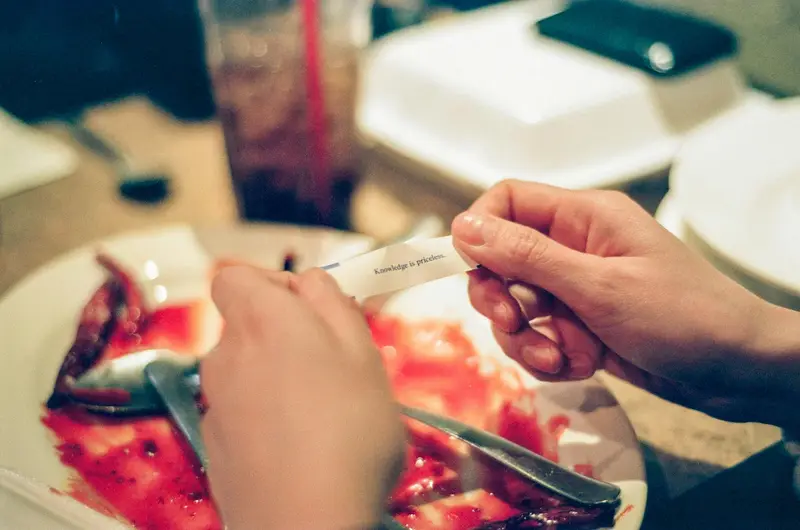
The Mid-Autumn Festival (Zhongqiu Jie), or Moon Festival, falls on the 15th day of the 8th month of the Chinese lunar calendar, the night of a full moon, and is a time for family reunion, moon-gazing and mooncakes. Although it has been celebrated for many centuries, it only became an official public holiday in mainland China in 2008 (The World of Chinese).
Origin: From Royal Moon Worship to a National Holiday
The magazine The World of Chinese outlines how the festival developed (The World of Chinese):
- Zhou dynasty (1046–256 BCE): the festival began as a ritual in which kings worshipped the moon and prayed for a good harvest. Over time ordinary people took up moon-viewing in the clear autumn sky.
- Tang dynasty (618–907): the moon became tied to its best-known legends: the goddess Chang’e, alone on the moon; the jade rabbit pounding the elixir of life in a mortar; and Wu Gang, the woodcutter forever chopping a self-healing osmanthus tree.
- Song dynasty (960–1279): the festival became a city-wide event. In the capital, Kaifeng, it was a night of feasting, drinking and night markets until dawn, as Meng Yuanlao recorded in his memoir The Eastern Capital: A Dream of Splendor. Mooncakes appeared around this time but only later became the festival food.
- Ming and Qing dynasties (1368–1911): the modern customs took shape. People offered fruit and incense to the moon and gave each other mooncakes as wishes for family unity and health.
- 2008: to promote traditional culture, China’s State Council made the festival a paid public holiday, alongside the Qingming and Dragon Boat festivals.
The legend of Chang’e
In the most common version, the archer Hou Yi is rewarded with an elixir of immortality. His wife Chang’e drinks it, either to keep it from a thief or by accident, and floats up to the moon, where she lives with the jade rabbit. Families set out offerings and look at the moon on this night partly in her memory.
Regional Traditions
- Beijing: Lord Rabbit (Tu’er Ye). Children in Beijing traditionally pray to Tu’er Ye, a clay rabbit figure in armour. The custom dates from the Ming dynasty and is based on a legend of the moon rabbit delivering medicine to every household in the capital to protect it from plague (The World of Chinese).
- Hong Kong: the Tai Hang Fire Dragon Dance. Tai Hang was a Hakka village. According to the Hong Kong government, legend says a plague broke out there in 1880, and to drive it away villagers stuck burning joss sticks into a dragon made of grass and paraded it through the village with firecrackers. They have repeated the dance every year since, on the evenings of the 14th, 15th and 16th of the eighth lunar month. Hong Kong submitted it in 2009 as one of its first four items for China’s national intangible cultural heritage list (Hong Kong Government).
- Vietnam: Tết Trung Thu and Hàng Mã street. In Vietnam the festival is largely aimed at children. In the weeks before, Hanoi’s Hàng Mã street in the Old Quarter fills with five-pointed star lanterns, carp-shaped lanterns, lion-dance heads, papier-mâché masks and frog drums (Voice of Vietnam; Viet Nam News).
- Moon poems. Reciting moon poetry remains part of the evening. Su Shi’s “Shui Diao Ge Tou,” written at Mid-Autumn, ends with the wish that people far apart can still share the same moon. Li Bai’s “Quiet Night Thoughts” turns the moonlight into homesickness. Both appear in the quotes below.
When Is It? How the Date Is Set
- The festival is the 15th day of the 8th lunar month, when the moon is full or nearly full. Because the lunar month moves against the solar calendar, it falls in September or early October.
- The evening is the main event: a family reunion dinner, then moon-viewing once the moon has risen.
- In Hong Kong the Fire Dragon Dance starts the night before and ends the night after (14th to 16th).
- Send mooncakes a few days to a week ahead, so they arrive before the family dinner. Baked mooncakes keep for about a week; snow skin mooncakes must be refrigerated and eaten within 2 to 3 days.
Snow Skin Mooncake Recipe (about 12, using a 50 g mould)
Snow skin (bing pi) mooncakes need no baking and no special syrup, so they are the easiest kind to make at home.
Skin
- 50 g glutinous rice flour
- 40 g rice flour
- 20 g wheat starch (or cornstarch)
- 40 g icing (powdered) sugar
- 200 ml milk
- 20 g neutral oil or melted butter
Filling and dusting
- 300 g ready-made lotus seed paste or red bean paste, rolled into 12 balls of 25 g
- 3 tbsp glutinous rice flour, dry-toasted in a pan for 3 to 4 minutes until faintly beige, then cooled (for dusting)
Method (about 1 hour plus chilling)
- Whisk all the skin ingredients into a smooth, runny batter. Strain it into a heatproof dish.
- Steam over high heat for 20 to 25 minutes, until the batter is set and no longer liquid in the centre.
- Leave until cool enough to handle, then knead with lightly oiled gloves for 2 to 3 minutes until smooth and stretchy. Wrap and chill for 30 minutes.
- Divide into 12 pieces of about 25 g. Flatten each into a disc, place a filling ball in the centre and pinch the skin closed around it.
- Dust the mould lightly with the toasted flour, press in a ball seam-side up, then press firmly on a tray and release.
- Chill for at least 1 hour before serving. Keep refrigerated and eat within 2 to 3 days.
Messages
- “Wherever you are tonight, look up: we are watching the same moon.”
- “May your lantern shine bright and your mooncake be your favourite filling.”
- “Happy Mid-Autumn Festival! May your family be as complete as tonight’s full moon.”
- “Wishing you a night of lanterns, tea, mooncakes and good company.”
- “Trung Thu vui vẻ! May the children’s lanterns light up every street of your neighbourhood.”
- “May Lord Rabbit watch over your home and Chang’e smile down on your reunion dinner.”
Quotes
- “People experience sorrow, joy, separation and reunion; the moon may be dim or bright, round or crescent shaped… May we all be blessed with longevity; though thousands of miles apart, we are still able to share the beauty of the moon together. – Su Shi”
- “Before my bed the moonlight glitters Like frost upon the ground. I look up to the mountain moon, Look down and think of home. – Li Bai”
- “Raising my cup I beckon the bright moon, For he, with my shadow, will make three men. – Li Bai”
- “Tonight my wife must watch alone the full moon over Fu-zhou; I think sadly of my sons and daughters far away. – Du Fu”
- “Every one is a moon, and has a dark side which he never shows to anybody. – Mark Twain”
- “Barn’s burnt down — now I can see the moon. – Mizuta Masahide”
- “The moon does not fight. It attacks no one. It does not worry. It does not try to crush others. – Attributed to Deng Ming-Dao”
- “We are all like the bright moon, we still have our darker side. – Attributed to Kahlil Gibran”
FAQ
When is Mid-Autumn Festival 2027? Mid-Autumn Festival falls on Wednesday, September 15, 2027, based on the lunar calendar (15th day of the 8th lunar month).
Why does the date change every year? It follows the Chinese lunisolar calendar. The 15th day of the 8th month is always a full-moon night, but it lands on a different Gregorian date each year, always in September or early October.
When did it become a public holiday? In mainland China, only in 2008, when the State Council added it to the paid national holidays together with the Qingming and Dragon Boat festivals (The World of Chinese).
How old are mooncakes? Mooncakes appeared around the Song dynasty (960–1279), but giving them as a Mid-Autumn gift became established in the Ming and Qing dynasties (The World of Chinese).
Who is Chang’e? The moon goddess of Chinese legend. She drank an elixir of immortality and floated to the moon, where she lives with the jade rabbit. The legends became attached to the festival around the Tang dynasty.
What is the Tai Hang Fire Dragon Dance? A Hong Kong tradition from 1880, when Tai Hang villagers paraded a grass dragon studded with burning joss sticks to drive away a plague. It is held on the 14th to 16th nights of the eighth lunar month (Hong Kong Government).
Related Celebrations
As you celebrate Mid-Autumn Festival, explore our guides for Chinese New Year for more Chinese traditions, Thanksgiving for another harvest-season family gathering, and National Family Day for family bonding. For another festival of lights, see Diwali.
Related holidays
September 18
Oktoberfest History, Traditions
October 2
Rosh Hashanah: Traditions, Simanim, Honey Cake
February 9
Mardi Gras History, King Cake Recipe
September 6
Labor Day