
Wednesday, September 8, 2027 · in 303 days
International Literacy Day: UNESCO History, Prizes & a Reading Session How-To 2027
How UNESCO's International Literacy Day grew out of the 1965 Tehran congress, the King Sejong and Confucius literacy prizes, how the day is marked, a step-by-step paired reading session, plus messages and verified quotes.
Updated 6 messages 8 quotes Tap to copy any message
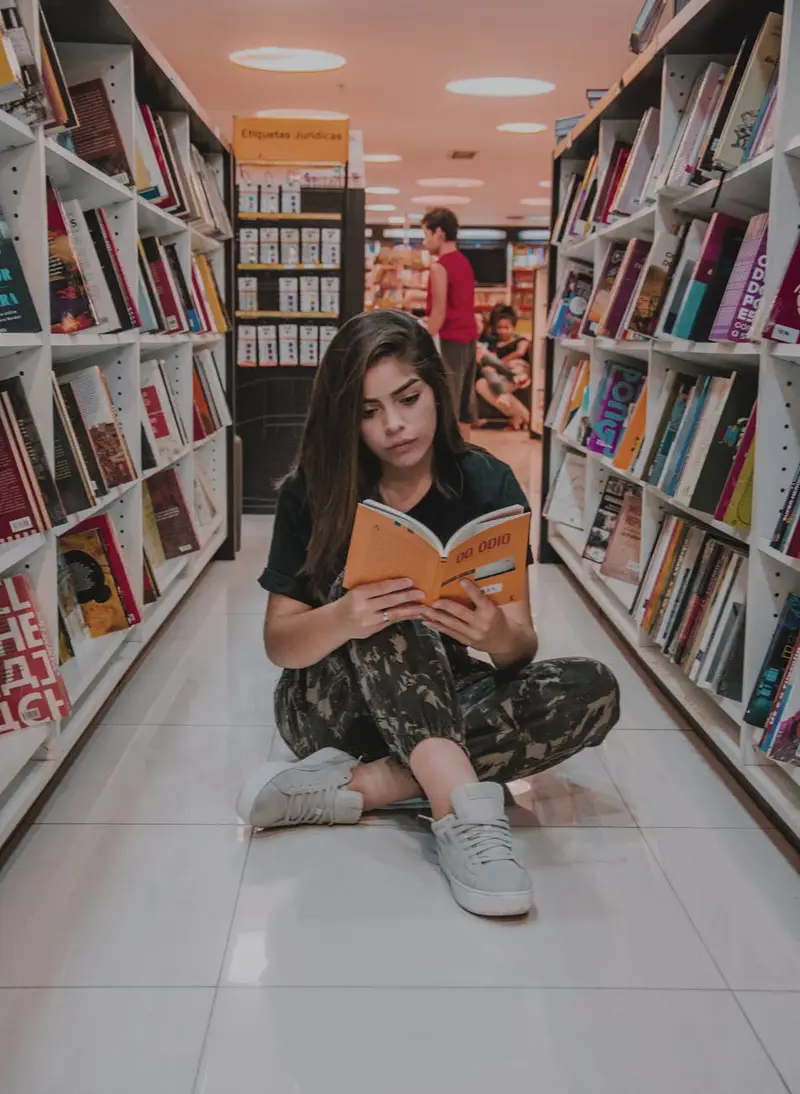
International Literacy Day falls every year on September 8. UNESCO proclaimed it in 1966 on the recommendation of a 1965 world congress of education ministers held in Tehran, and it has been celebrated annually since 1967, the same year UNESCO began awarding the literacy prizes that are still presented on the day.
Origin: From the Tehran Congress to a UNESCO Day
In 1965 the World Congress of Ministers of Education on the Eradication of Illiteracy met in Tehran, Iran. On its recommendation, UNESCO’s General Conference proclaimed International Literacy Day in 1966 (UNESCO, 50th anniversary conference report). UNESCO says the proclamation was made “during the 14th session of the General Conference” and that the annual celebrations have taken place on 8 September since 1967 (UNESCO).
The day is not only symbolic. UNESCO uses it to show how far the world still has to go: on its International Literacy Day page it counts 739 million youth and adults who still lacked basic literacy skills in 2024 (UNESCO). Each edition has its own theme, announced on UNESCO’s International Literacy Day page, and a global celebration hosted by UNESCO with a partner country. The 2016 edition, the 50th anniversary, was marked with a Global Conference on Literacy at UNESCO headquarters in Paris on 8 and 9 September (UNESCO report). Each year’s host and theme are announced on UNESCO’s International Literacy Day page.
The UNESCO International Literacy Prizes
The prizes are the day’s best-known tradition. UNESCO says they have been awarded since 1967 and now consist of two prizes with three awards each, six laureates a year (UNESCO International Literacy Prizes):
- UNESCO King Sejong Literacy Prize, established in 1989 and supported by the Government of the Republic of Korea.
- UNESCO Confucius Prize for Literacy, established in 2005 and supported by the Government of the People’s Republic of China.
Winners are governments, NGOs and individuals running literacy programmes; by the 50th anniversary in 2016, more than 475 programmes had been honoured, and UNESCO called the Literacy Prizes “the oldest UNESCO prizes in education” (UNESCO report).
How the Day Is Marked
- The global celebration and prize ceremony. UNESCO’s main event, built around the year’s theme and including the award ceremony for the prizes above (UNESCO).
- Ireland: NALA’s adult learner focus. Ireland’s National Adult Literacy Agency (NALA) uses the day to promote its free courses, its Learn with NALA eLearning site and its freephone line for adults who want to improve their reading, writing or numeracy. NALA posts its plans for each year’s day on its website.
- Libraries and schools. Many libraries schedule reading sessions on or around 8 September. The paired reading method below is one a library service publishes for exactly this kind of session.
How to Run a Paired Reading Session
Paired reading is a simple way for an adult or older child to help a newer reader. This is the method published by Libraries Ireland in its Building Reading Relationships guide (Libraries Ireland), laid out as a 20–30 minute session you could run at home, in a classroom or at a library on International Literacy Day.
Before you start (5 minutes)
- Pick a short book the reader already knows and likes. The guide suggests “a familiar, much loved story” and says not to worry about new words; the point is enjoying the story.
- Sit side by side with one copy of the book between you.
Read it to them first (5 minutes) 3. Read the whole book aloud before asking the reader to try. This lets them hear the words and the language patterns they will meet when they read it themselves.
Read together (10–15 minutes) 4. Read aloud together from the same page. Slow your pace to match theirs so you stay in step. 5. If the reader gets a word wrong, simply re-read the word and carry on together. 6. Agree on a signal, such as a tap on the table, that means “I want to read on my own.” When they give it, stop reading and let them lead. 7. Praise often: the guide suggests at the end of each page.
Move on to shared reading (5 minutes, optional) 8. For a confident reader, switch to shared reading: talk about the title and the cover picture, ask what they think the story will be about, invite them to read a few pages to you, then ask for their opinion at the end and re-read the story (Libraries Ireland).
For adults who want help with their own reading, the most useful step is pointing them to a local adult literacy service, such as NALA in Ireland, rather than tutoring them yourself.
Messages
- “Happy International Literacy Day to every adult learner who decided it’s never too late.”
- “Today we honour teachers, librarians and volunteer tutors who make literacy possible for everyone.”
- “One book, two readers, ten minutes: happy International Literacy Day.”
- “Literacy is freedom: the ability to read and write transforms lives and communities.”
- “To everyone who taught a grown-up to read this year: thank you. Happy Literacy Day.”
- “Happy International Literacy Day! Pass on a book you loved to someone who’s still learning.”
Quotes
- “Literacy is a bridge from misery to hope. It is a tool for daily life in modern society. – Kofi Annan”
- “Though conscious of the difficulty of learning without a teacher, I set out with high hope, and a fixed purpose, at whatever cost of trouble, to learn how to read. – Frederick Douglass”
- “There is no greater weapon than knowledge and no greater source of knowledge than the written word. – Malala Yousafzai”
- “Reading is to the mind, what exercise is to the body. – Joseph Addison”
- “I cannot live without books. – Thomas Jefferson”
- “Books are a uniquely portable magic. – Attributed to Stephen King”
- “Reading is escape, and the opposite of escape; it’s a way to make contact with reality. – Attributed to Nora Ephron”
- “One child, one teacher, one book, one pen can change the world. – Malala Yousafzai”
FAQ
When is International Literacy Day 2027? International Literacy Day is observed annually on September 8th, making it Wednesday, September 8, 2027.
Who established International Literacy Day? UNESCO’s General Conference proclaimed it at its 14th session in 1966, acting on the recommendation of the 1965 World Congress of Ministers of Education on the Eradication of Illiteracy in Tehran. It has been celebrated on 8 September every year since 1967 (UNESCO).
Is there a theme each year? Yes. UNESCO sets a theme for each edition and announces it on its International Literacy Day page.
What are the UNESCO International Literacy Prizes? Awards given since 1967 to literacy programmes run by governments, NGOs and individuals. Today there are two: the King Sejong Literacy Prize (since 1989, supported by the Republic of Korea) and the Confucius Prize for Literacy (since 2005, supported by China), each with three awards a year (UNESCO).
How many people still cannot read? UNESCO counts 739 million youth and adults who lacked basic literacy skills in 2024 (UNESCO).
What is a simple way to take part? Run a paired reading session with a child or newer reader (see the steps above), volunteer with a local library or adult literacy service, or share information about free adult learning services such as NALA in Ireland.
Related Celebrations
As you celebrate International Literacy Day, explore our guides for World Book Day for reading celebration, Teachers Appreciation Week for educator honor, and World Children Day for child development. For educational celebrations, check our National Poetry Month, World Teachers’ Day and Back to School articles.
Related holidays
October 5
World Teachers' Day
May 20
World Bee Day
May 3
Teacher Appreciation Week
January 15
National Mentoring Day