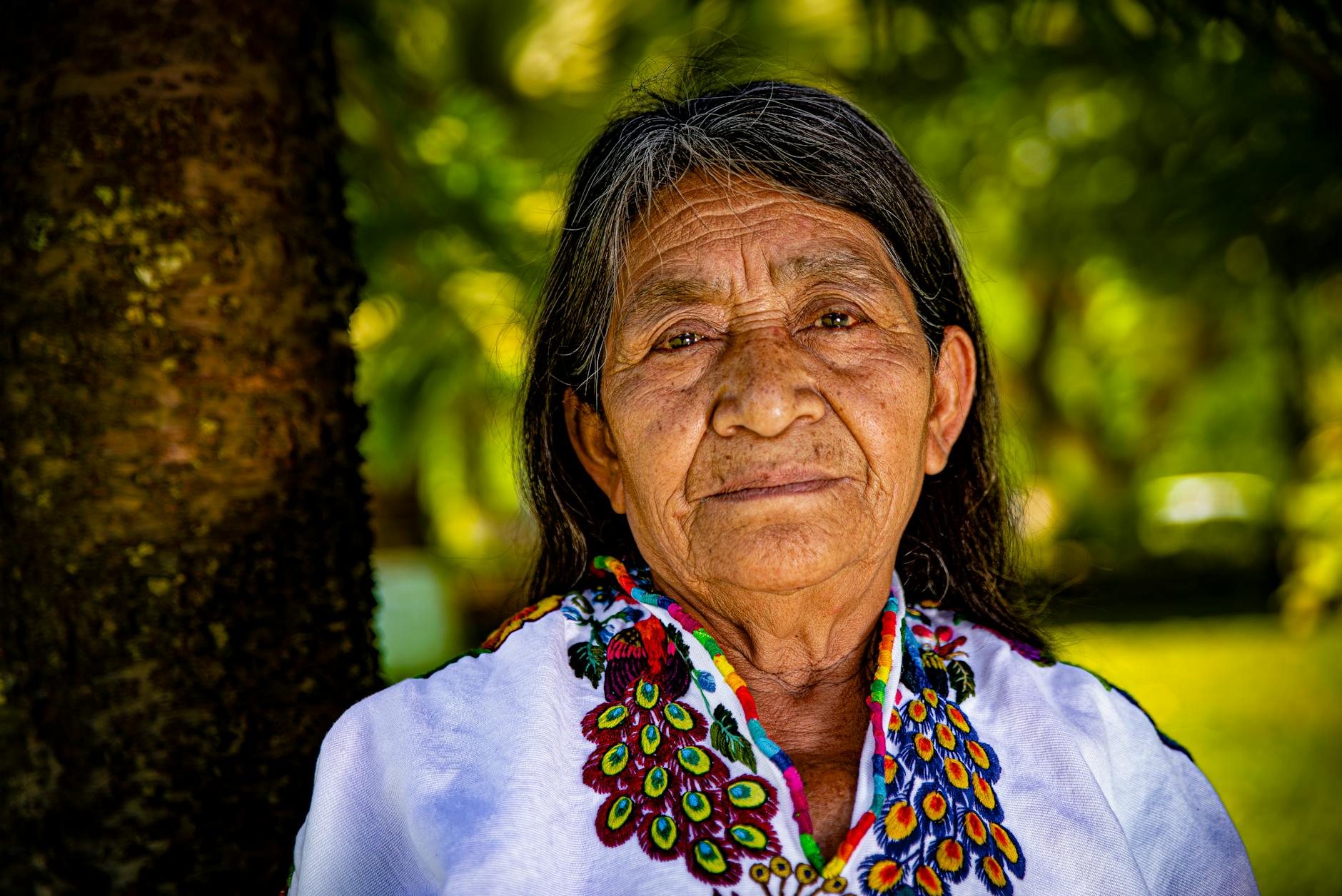
Indigenous Peoples Day Messages & Educational Resources 2025
Honor Indigenous Peoples Day with respectful messages, educational activities, and ways to support Native American communities and cultures.
Indigenous Peoples Day Messages & Educational Resources 2025
Indigenous Peoples Day, observed on the second Monday in October, honors the rich histories, cultures, and contributions of Native American, Alaska Native, and Indigenous peoples. This day provides an opportunity to learn about Indigenous cultures, reflect on historical injustices, and support contemporary Indigenous communities.
Understanding Indigenous Peoples Day
Indigenous Peoples Day serves multiple important purposes:
- Cultural Celebration: Honoring the diverse cultures, languages, and traditions of Indigenous peoples
- Historical Accuracy: Providing a more complete understanding of American history
- Contemporary Recognition: Acknowledging ongoing Indigenous contributions to society
- Education Opportunity: Learning about Indigenous perspectives and experiences
- Support Platform: Raising awareness of current Indigenous issues and needs
Disclaimer: This content is for educational and informational purposes only. We recognize the diversity of Indigenous peoples and encourage readers to learn from Indigenous voices and sources. This article does not speak for Indigenous communities but aims to promote respectful awareness and education.
Respectful Indigenous Peoples Day Messages
Honor and Recognition
- “Today we honor the first peoples of this land and celebrate the rich cultures, wisdom, and resilience of Indigenous communities.”
- “Indigenous Peoples Day reminds us to recognize the original stewards of this land and their enduring contributions to our world.”
- “On this day, we celebrate Indigenous heritage while acknowledging our responsibility to support Indigenous rights and sovereignty.”
- “Honoring Indigenous peoples means listening to their voices, learning their histories, and supporting their communities.”
- “Today we recognize the strength, wisdom, and cultural richness that Indigenous peoples have always brought to this continent.”
Educational Messages
- “Indigenous Peoples Day is an opportunity to learn accurate history and understand Indigenous perspectives often missing from traditional narratives.”
- “Let’s use this day to educate ourselves about the diverse cultures and ongoing contributions of Indigenous communities.”
- “True understanding comes from listening to Indigenous voices and learning from Indigenous-led educational resources.”
- “This day reminds us to seek out Indigenous authors, artists, and educators to deepen our understanding.”
- “Indigenous Peoples Day calls us to move beyond stereotypes and learn about the vibrant, diverse reality of Indigenous cultures.”
Support and Allyship
- “Supporting Indigenous communities means advocating for their rights, sovereignty, and self-determination year-round.”
- “On Indigenous Peoples Day, we commit to being better allies and supporting Indigenous-led initiatives and organizations.”
- “This day challenges us to support Indigenous businesses, artists, and causes throughout the year.”
- “Honoring Indigenous peoples includes supporting their ongoing fights for land rights, cultural preservation, and justice.”
- “True respect for Indigenous peoples involves supporting their efforts to protect sacred sites and natural resources.”
Educational Approaches
Learning About Diversity
Indigenous peoples include hundreds of distinct tribes, nations, and communities, each with unique:
- Languages: Over 150 Indigenous languages are still spoken in the United States
- Cultures: Diverse traditions, ceremonies, and ways of life
- Histories: Different experiences with colonization and survival
- Contemporary Issues: Varying challenges and priorities
- Contributions: Ongoing impacts in science, art, politics, and society
Historical Context
- Pre-Contact Civilizations: Advanced societies with complex governance, agriculture, and trade
- European Contact: Beginning of dramatic changes and challenges for Indigenous peoples
- Treaty Era: Broken promises and forced relocations that continue to impact communities
- Boarding School Era: Attempts to erase Indigenous cultures and languages
- Contemporary Movements: Ongoing efforts for rights, recognition, and cultural preservation
Contemporary Contributions
- Environmental Leadership: Leading efforts in climate change and conservation
- Scientific Innovation: Contributions to medicine, agriculture, and technology
- Arts and Culture: Literature, film, music, and visual arts that enrich American culture
- Political Leadership: Elected officials and activists working for change
- Business and Economy: Successful enterprises and economic development
Family Educational Activities
Age-Appropriate Learning
- Children’s Books: Read books by Indigenous authors about Indigenous experiences
- Cultural Learning: Learn about local Indigenous tribes and their histories
- Art Projects: Create art inspired by Indigenous traditions (with cultural respect)
- Nature Connection: Learn about Indigenous relationships with the natural world
- Music and Dance: Listen to Indigenous music and learn about its cultural significance
Museum and Cultural Center Visits
- Tribal Museums: Visit Indigenous-operated museums and cultural centers
- Guided Tours: Participate in tours led by Indigenous educators
- Cultural Demonstrations: Attend respectful demonstrations of traditional practices
- Archaeological Sites: Visit significant Indigenous historical sites with proper context
- Art Galleries: Explore contemporary Indigenous art and its cultural meanings
Community Engagement
- Local Events: Attend Indigenous Peoples Day events in your community
- Educational Programs: Participate in programs offered by Indigenous organizations
- Volunteer Opportunities: Support Indigenous-led community service projects
- Cultural Exchanges: Engage respectfully with local Indigenous communities
- Advocacy Support: Learn about and support Indigenous rights issues
Supporting Indigenous Communities
Economic Support
- Indigenous Businesses: Prioritize shopping at Native-owned businesses
- Native Artists: Purchase authentic art directly from Indigenous artists
- Tourism: Choose Indigenous-operated tours and cultural experiences
- Financial Institutions: Support Native-owned banks and credit unions
- Investment: Consider investing in Indigenous-led economic development
Educational Support
- Tribal Colleges: Support tribal colleges and Indigenous education initiatives
- Scholarship Programs: Contribute to scholarships for Indigenous students
- Language Preservation: Support programs working to preserve Indigenous languages
- Cultural Education: Fund Indigenous-led cultural education programs
- Academic Research: Support Indigenous-led research and scholarship
Political and Legal Support
- Voting Rights: Support Indigenous voting rights and political participation
- Land Rights: Advocate for Indigenous land rights and sovereignty
- Environmental Justice: Support Indigenous-led environmental protection efforts
- Legal Aid: Support organizations providing legal assistance to Indigenous communities
- Policy Advocacy: Advocate for policies that support Indigenous rights and needs
Cultural Sensitivity Guidelines
Respectful Learning
- Listen to Indigenous Voices: Prioritize Indigenous perspectives and experiences
- Avoid Appropriation: Learn the difference between appreciation and appropriation
- Understand Sacred Elements: Recognize that some cultural elements are not appropriate for outsiders
- Support Authentic Sources: Learn from Indigenous educators and cultural keepers
- Acknowledge Limits: Recognize what you don’t know and continue learning
Language and Terminology
- Use Preferred Terms: Learn and use the terms Indigenous communities prefer for themselves
- Avoid Outdated Language: Don’t use outdated or offensive terminology
- Understand Sovereignty: Recognize tribal nations as sovereign entities
- Respect Protocols: Learn about appropriate protocols for different situations
- Ask Questions Respectfully: When uncertain, ask respectfully how to be appropriate
Cultural Practices
- Sacred vs. Shareable: Understand which cultural practices are sacred and which can be shared
- Ceremonial Respect: Never attempt to recreate sacred ceremonies or rituals
- Gift-Giving Protocols: Learn appropriate ways to show respect and gratitude
- Photography Ethics: Always ask permission before photographing Indigenous people or sacred sites
- Storytelling Respect: Understand that some stories are not meant to be shared outside communities
Contemporary Issues Awareness
Ongoing Challenges
- Missing and Murdered Indigenous Women: Crisis requiring attention and action
- Environmental Threats: Protecting sacred sites and natural resources
- Healthcare Disparities: Addressing unequal health outcomes
- Educational Inequities: Ensuring quality education for Indigenous children
- Economic Development: Supporting tribal economic sovereignty and development
Cultural Preservation
- Language Revitalization: Supporting efforts to preserve and revive Indigenous languages
- Cultural Sites Protection: Defending sacred sites from development and destruction
- Traditional Knowledge: Preserving traditional ecological and cultural knowledge
- Youth Engagement: Connecting young Indigenous people with their cultural heritage
- Inter-generational Learning: Supporting knowledge transfer between elders and youth
Legal and Political Issues
- Tribal Sovereignty: Respecting and supporting tribal self-governance
- Treaty Rights: Honoring historical treaties and agreements
- Federal Trust Responsibility: Ensuring the government meets its obligations
- Voting Access: Protecting Indigenous voting rights and political participation
- Criminal Justice: Addressing jurisdictional issues and justice disparities
Workplace Observance
Educational Initiatives
- Learning Sessions: Host presentations about Indigenous history and contributions
- Guest Speakers: Invite Indigenous professionals and educators to share perspectives
- Book Clubs: Form reading groups focused on Indigenous authors and topics
- Documentary Screenings: Show educational films about Indigenous experiences
- Cultural Displays: Create respectful exhibits about Indigenous contributions to your industry
Professional Development
- Cultural Competency Training: Provide education about working respectfully with Indigenous communities
- Bias Training: Address stereotypes and misconceptions about Indigenous peoples
- Supplier Diversity: Prioritize working with Indigenous-owned businesses
- Mentorship Programs: Create opportunities for Indigenous professional development
- Community Partnerships: Collaborate with local Indigenous organizations
Policy and Practice
- Land Acknowledgment: Acknowledge the Indigenous peoples on whose land you work
- Hiring Practices: Ensure equitable recruitment and hiring of Indigenous employees
- Cultural Holidays: Recognize Indigenous holidays and cultural observances
- Benefit Programs: Consider benefits that support Indigenous employees’ cultural needs
- Community Giving: Support Indigenous-led organizations and causes
Regional Recognition
Local Tribes and Nations
- Research the specific Indigenous peoples of your area
- Learn about their histories, cultures, and contemporary presence
- Understand their traditional relationships with the land
- Recognize their ongoing contributions to the community
- Support their current initiatives and needs
Geographic Considerations
- Pacific Northwest: Rich traditions of fishing, whaling, and forest stewardship
- Southwest: Ancient agricultural societies and contemporary arts traditions
- Great Plains: Buffalo cultures and warrior traditions
- Eastern Woodlands: Agricultural innovations and political confederations
- Arctic/Subarctic: Adaptation to harsh climates and marine resources
State and Local Recognition
- Learn about your state’s Indigenous Peoples Day observances
- Support local Indigenous cultural events and celebrations
- Advocate for Indigenous Peoples Day recognition in your community
- Partner with local tribes for educational and cultural initiatives
- Support Indigenous-led tourism and cultural preservation efforts
FAQ About Indigenous Peoples Day
When did Indigenous Peoples Day begin? The holiday was first proposed in 1977 and has been gradually adopted by cities, states, and institutions, with federal recognition varying by administration.
How many Indigenous tribes are there in the United States? There are 574 federally recognized tribal nations in the United States, each with distinct cultures, languages, and histories.
What’s the difference between Native American, Indigenous, and First Nations? These terms have different origins and uses. “Indigenous” is often preferred as it’s more inclusive, while “First Nations” is primarily used in Canada.
How can I learn about the Indigenous peoples of my area? Research local tribal websites, visit tribal cultural centers, attend community events, and read books by local Indigenous authors.
What should I avoid when learning about Indigenous cultures? Avoid stereotypes, cultural appropriation, treating all Indigenous cultures as the same, and relying solely on non-Indigenous sources for information.
How can I support Indigenous communities year-round? Support Indigenous businesses, advocate for Indigenous rights, learn from Indigenous educators, and donate to Indigenous-led organizations.
Related Educational Resources
Explore other cultural learning opportunities in our Black History Month and Womens History Month guides, or learn about community building in Earth Day.
This article provides general information about Indigenous Peoples Day and is intended for educational purposes. We encourage readers to learn directly from Indigenous sources, support Indigenous-led organizations, and approach Indigenous cultures with respect and cultural humility. Always prioritize Indigenous voices and perspectives in your learning journey.
Related Holidays
Black History Month Messages & Educational Activities 2025
Celebrate Black History Month with meaningful messages, educational resources, and activities honoring African American achievements and contributions.

International Literacy Day Education & Reading Celebration 2025
Celebrate International Literacy Day with reading promotion messages, educational activities, and ways to support literacy worldwide.
Juneteenth Messages & Celebration Ideas 2025
Celebrate Juneteenth with meaningful messages, educational activities, and ways to honor this important day commemorating the end of slavery in America.