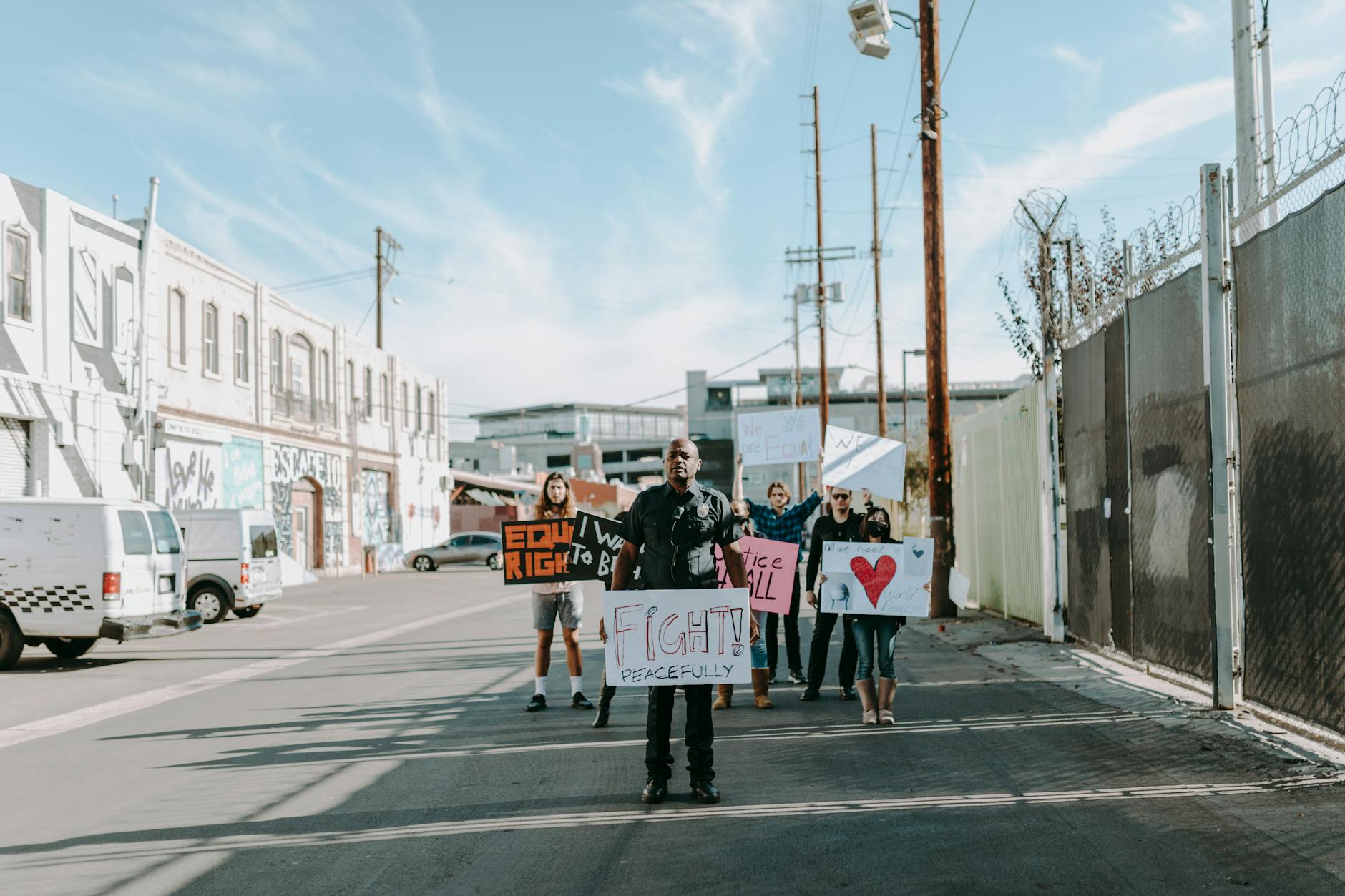
Black History Month Messages & Educational Activities 2025
Celebrate Black History Month with meaningful messages, educational resources, and activities honoring African American achievements and contributions.
Black History Month Messages & Educational Activities 2025
Black History Month, observed each February in the United States, celebrates the achievements, contributions, and rich heritage of African Americans throughout history. This important month provides opportunities for education, reflection, and recognition of the ongoing struggle for equality and justice.
Understanding Black History Month
Black History Month originated from “Negro History Week,” established by historian Carter G. Woodson in 1926. It serves to:
- Celebrate achievements of African Americans often omitted from traditional history books
- Educate about the rich cultural heritage and contributions of Black Americans
- Promote understanding of the African American experience
- Inspire continued progress toward equality and justice
- Honor the sacrifices and courage of civil rights leaders and everyday heroes
Disclaimer: This content is for educational and informational purposes only. Historical interpretations may vary, and we encourage readers to explore multiple perspectives and continue learning about African American history and experiences.
Meaningful Black History Month Messages
Celebration and Recognition
- “This Black History Month, we celebrate the courage, resilience, and achievements of African Americans who have shaped our nation.”
- “Honoring the trailblazers, innovators, and everyday heroes whose contributions continue to inspire and uplift us all.”
- “Black history is American history. This month, we celebrate the integral role African Americans have played in building our nation.”
- “From scientific breakthroughs to artistic masterpieces, African American contributions enrich every aspect of our society.”
- “This February, we honor not just historical figures, but every African American who has made a difference in their community.”
Educational Messages
- “Black History Month reminds us that learning about our past helps us build a better future for everyone.”
- “Understanding African American history deepens our appreciation for the ongoing fight for justice and equality.”
- “Every achievement we celebrate this month represents countless untold stories of perseverance and determination.”
- “Black History Month is an opportunity to fill in the gaps that traditional history education often leaves behind.”
- “Learning about Black history helps us understand how far we’ve come and how far we still need to go.”
Unity and Progress
- “Black History Month calls us to continue the work of building a more just and equitable society for all.”
- “The legacy of African American leaders reminds us that ordinary people can create extraordinary change.”
- “This month, we honor the past while committing to creating a future where equality is truly realized.”
- “Black history teaches us that progress requires courage, persistence, and standing up for what’s right.”
- “Let Black History Month inspire us to be allies, advocates, and agents of positive change in our communities.”
Notable African American Pioneers
Civil Rights Leaders
- Martin Luther King Jr.: Baptist minister and civil rights leader who advocated for nonviolent resistance
- Rosa Parks: Civil rights activist whose refusal to give up her bus seat sparked the Montgomery Bus Boycott
- Malcolm X: Human rights activist and influential figure in the civil rights movement
- John Lewis: Congressman and civil rights leader who organized the March on Washington
- Thurgood Marshall: First African American Supreme Court Justice and civil rights lawyer
Scientists and Innovators
- George Washington Carver: Botanist and inventor who developed crop rotation methods and peanut products
- Mae Jemison: First African American woman astronaut to travel to space
- Katherine Johnson: Mathematician whose calculations were crucial to NASA’s early space missions
- Percy Julian: Chemist who synthesized important medical compounds and held over 130 patents
- Garrett Morgan: Inventor of the traffic signal and gas mask
Artists and Cultural Icons
- Langston Hughes: Poet and leader of the Harlem Renaissance
- Maya Angelou: Poet and author known for “I Know Why the Caged Bird Sings”
- Louis Armstrong: Jazz musician and cultural ambassador
- Josephine Baker: Entertainer and civil rights activist
- James Baldwin: Writer and social critic who explored racial and social issues
Political and Business Leaders
- Shirley Chisholm: First African American woman elected to Congress
- Barack Obama: 44th President of the United States
- Madam C.J. Walker: First female self-made millionaire in America
- Robert Johnson: Founder of Black Entertainment Television (BET)
- Oprah Winfrey: Media mogul and philanthropist
Educational Activities for Families
Reading and Learning
- Biography Collections: Read age-appropriate books about African American historical figures
- Poetry Exploration: Discover works by Black poets and writers
- Documentary Viewing: Watch educational documentaries about African American history
- Museum Visits: Explore African American history museums and cultural centers
- Timeline Creation: Build timelines of important events in Black history
Cultural Exploration
- Music Appreciation: Listen to jazz, blues, gospel, hip-hop, and other genres with African American origins
- Art Projects: Create artwork inspired by African American artists and traditions
- Cooking Together: Prepare traditional African American dishes and learn their cultural significance
- Storytelling: Share oral traditions and family stories
- Dance Learning: Explore African American dance traditions and their cultural importance
Community Engagement
- Local History Research: Learn about African American history in your local community
- Volunteer Opportunities: Participate in community service projects
- Cultural Events: Attend Black History Month events in your area
- Church Visits: Experience African American religious traditions (with respect and permission)
- Interview Elders: Talk with older community members about their experiences
School and Organizational Activities
Classroom Learning
- Research Projects: Assign students to research lesser-known African American figures
- Living History: Have students portray historical figures through presentations or plays
- Literature Circles: Read books by African American authors
- Art Exhibitions: Display artwork by Black artists or student creations inspired by them
- Guest Speakers: Invite local African American leaders and professionals to speak
Interactive Learning
- Historical Simulations: Create age-appropriate activities that help students understand historical experiences
- Debate Discussions: Explore historical and contemporary issues related to civil rights
- Creative Writing: Encourage students to write from the perspective of historical figures
- Science Explorations: Study inventions and discoveries by African American scientists
- Geography Lessons: Learn about African countries and the diaspora experience
Community Partnerships
- Mentorship Programs: Connect students with African American professionals
- Cultural Exchanges: Partner with historically Black colleges and universities
- Service Learning: Engage in projects that address current community needs
- Historical Preservation: Participate in preserving local African American historical sites
- Scholarship Programs: Support educational opportunities for underrepresented students
Workplace Recognition and Education
Professional Development
- Lunch and Learn Sessions: Host educational presentations about African American contributions to your industry
- Book Clubs: Form reading groups focused on books by African American authors
- Speaker Series: Invite successful African American professionals to share their experiences
- Mentorship Programs: Create formal mentorship opportunities for Black employees
- Networking Events: Host events celebrating African American professionals
Cultural Awareness
- Bias Training: Provide education about unconscious bias and inclusive practices
- Diversity Workshops: Offer training on cultural competency and allyship
- Employee Resource Groups: Support African American employee networks
- Policy Review: Examine workplace policies for equity and inclusion
- Supplier Diversity: Prioritize working with Black-owned businesses
Recognition and Celebration
- Achievement Spotlights: Highlight African American employees and their contributions
- Historical Displays: Create exhibits about African American achievements in your field
- Cultural Food Events: Share traditional African American cuisine (with cultural sensitivity)
- Community Partnerships: Support local African American organizations and causes
- Scholarship Sponsorship: Fund educational opportunities for African American students
Supporting Black Communities Year-Round
Economic Empowerment
- Shop Black-Owned: Prioritize supporting African American businesses and entrepreneurs
- Investment Opportunities: Support Black-owned investment funds and community development
- Job Creation: Advocate for hiring practices that promote diversity and inclusion
- Financial Literacy: Support programs providing financial education in Black communities
- Homeownership: Support programs helping Black families achieve homeownership
Educational Support
- HBCU Support: Contribute to historically Black colleges and universities
- Scholarship Funds: Donate to scholarships for African American students
- Literacy Programs: Support reading and educational programs in underserved communities
- STEM Initiatives: Fund programs encouraging Black students to pursue science and technology
- Early Childhood Education: Support quality preschool programs in Black communities
Health and Wellness
- Healthcare Access: Support organizations providing healthcare in underserved communities
- Mental Health: Advocate for culturally competent mental health services
- Food Justice: Support programs addressing food deserts in Black communities
- Fitness Programs: Fund community recreation and wellness initiatives
- Medical Research: Support research addressing health disparities
Creating Inclusive Celebrations
Authentic Representation
- Ensure African American voices lead the planning and execution of events
- Avoid tokenism and superficial gestures
- Include diverse perspectives within the African American community
- Recognize intersectionality and varied experiences
- Support ongoing initiatives, not just February activities
Educational Accuracy
- Present complex, nuanced historical narratives
- Avoid oversimplified or sanitized versions of history
- Include contemporary issues and ongoing struggles
- Acknowledge progress while recognizing continuing challenges
- Use reputable sources and multiple perspectives
Community Partnership
- Collaborate with local African American organizations
- Seek guidance from cultural and educational experts
- Support Black-led initiatives and organizations
- Listen to feedback and criticism constructively
- Build long-term relationships, not just event-based partnerships
Contemporary Issues and Awareness
Ongoing Challenges
- Educational Equity: Supporting equal access to quality education
- Criminal Justice Reform: Addressing disparities in the justice system
- Healthcare Disparities: Working to eliminate health inequities
- Economic Opportunities: Creating pathways for economic advancement
- Voting Rights: Protecting and expanding access to voting
Cultural Preservation
- Historical Sites: Supporting preservation of African American historical landmarks
- Oral Traditions: Recording and preserving stories and cultural practices
- Museums and Archives: Supporting institutions that preserve Black history
- Art and Culture: Funding African American artists and cultural institutions
- Language and Literature: Preserving and promoting African American linguistic traditions
Allyship and Advocacy
- Active Listening: Learning from African American experiences and perspectives
- Amplifying Voices: Using privilege to elevate Black voices and concerns
- Policy Advocacy: Supporting legislation that addresses racial inequities
- Workplace Advocacy: Promoting inclusive practices in professional settings
- Community Solidarity: Standing with Black communities in times of challenge
FAQ About Black History Month
Why is Black History Month important? Black History Month helps ensure that African American contributions to society are recognized and that their stories are preserved and shared with future generations.
How can non-Black people appropriately participate? Non-Black people can participate by learning, listening, supporting Black-led organizations, amplifying Black voices, and working to address ongoing inequities.
What’s the difference between Black History Month and Juneteenth? Black History Month is a month-long observance in February, while Juneteenth (June 19) specifically commemorates the end of slavery in the United States.
How can schools make Black History Month more meaningful? Schools can integrate Black history throughout the curriculum year-round, invite community speakers, partner with local organizations, and address contemporary issues alongside historical ones.
What are some common mistakes to avoid during Black History Month? Avoid tokenism, oversimplification of complex issues, focusing only on struggle without celebrating achievements, and treating it as the only time to discuss Black history.
How can I continue learning about Black history beyond February? Read books by Black authors, visit museums, support Black-owned businesses, attend cultural events, and engage with ongoing civil rights and social justice efforts.
Related Observances
Explore other cultural celebrations like Juneteenth, learn about educational initiatives in our Teachers Day article, or discover empowerment themes in Womens History Month.
This article provides general information about Black History Month and is intended for educational purposes. We encourage readers to explore multiple perspectives, continue learning about African American history and contemporary issues, and support ongoing efforts for racial equity and justice.
Related Holidays

Grandparents Day Messages & Celebration Ideas 2025
Celebrate National Grandparents Day with heartfelt messages, meaningful gift ideas, and activities to honor the special grandparents in your life.
Indigenous Peoples Day Messages & Educational Resources 2025
Honor Indigenous Peoples Day with respectful messages, educational activities, and ways to support Native American communities and cultures.

International Literacy Day Education & Reading Celebration 2025
Celebrate International Literacy Day with reading promotion messages, educational activities, and ways to support literacy worldwide.