
Sunday, June 20, 2027 · in 223 days
World Refugee Day: History, Refugee Week & How to Host an Event 2027
Why World Refugee Day is June 20: UN resolution 55/76, Africa Refugee Day and the 1951 Refugee Convention, Refugee Week in the UK and Australia, how to host a refugee speaker well, plus messages and quotes.
Updated 6 messages 8 quotes Tap to copy any message
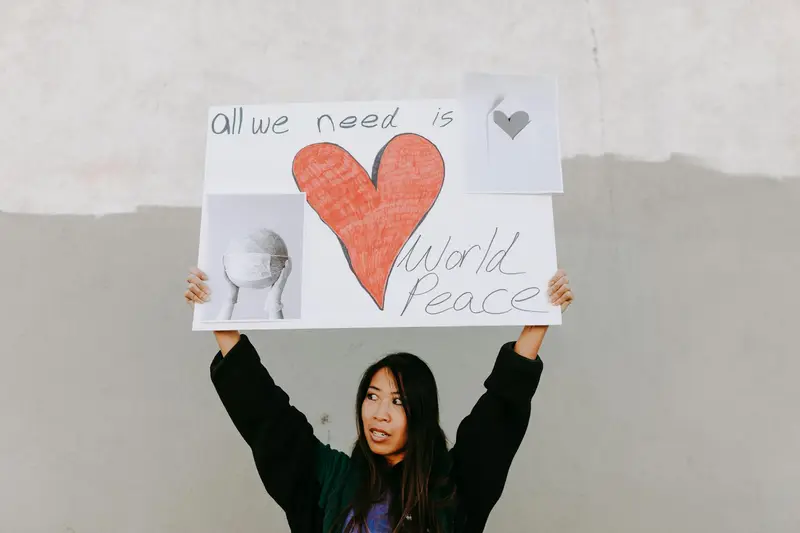
World Refugee Day, June 20, honours people forced to flee their homes and was created by the UN to mark the 50th anniversary of the 1951 Refugee Convention. Its date was borrowed from Africa: the Organization of African Unity already kept June 20 as Africa Refugee Day.
Origin: Resolution 55/76 and Africa Refugee Day
On 4 December 2000 the UN General Assembly adopted resolution 55/76, which marked the 50th anniversary of the UN refugee agency (UNHCR). It noted that 2001 would be the fiftieth anniversary of the 1951 Convention relating to the Status of Refugees, “which sets out the fundamental concepts for international refugee protection,” and that the Organization of African Unity “has agreed that an international refugee day may coincide with Africa Refugee Day on 20 June.” It then decided that “as from 2001, 20 June will be celebrated as World Refugee Day” (A/RES/55/76).
The 1951 Convention. The Convention was adopted on 25 July 1951 by a UN conference that met in Geneva, was signed by its first twelve states on 28 July 1951, and came into force on 22 April 1954. It originally covered only people who became refugees because of events before 1 January 1951 (and states could limit it to events in Europe); the 1967 Protocol removed that date limit. Its core protection is non-refoulement, from the French refouler, “to drive back”: a refugee must not be returned to a country where they would be at risk of persecution, and states cannot make reservations to that rule (UN Audiovisual Library of International Law).
Yearly themes. The UN sets a theme each year and publishes it, with the latest count of forcibly displaced people, on its World Refugee Day page; in mid-2025 that count stood at 117.3 million.
Traditions
- Refugee Week, United Kingdom. Refugee Week runs every year around June 20 and describes itself as the world’s largest arts and culture festival celebrating refugees and people seeking sanctuary, with over 20 countries taking part. It has been held in the UK since 1998, with a new theme each year; dates and themes are posted on the Refugee Week site.
- Simple Acts. Refugee Week’s best-known custom is a list of “Simple Acts,” everyday things anyone can do: have a courageous conversation, get drawing and painting, watch a film together, walk and talk, share food and stories, read a book, let nature inspire you, and move together. (Refugee Week).
- Refugee Week, Australia. Australia’s Refugee Week is older, running since 1986 (Refugee Week), and is coordinated by the Refugee Council of Australia. Each year has its own theme. Hosts can book Refugee Ambassadors as speakers and join “Share a Meal, Share a Story” (Refugee Week Australia).
How to Host a Refugee Speaker or Storytelling Meal
The Refugee Council of Australia publishes good-practice rules for any event where refugees take part. In brief (Refugee Week Australia):
- Explain the invitation clearly. Tell speakers the purpose of the event, what you are asking them to do, and the practical details: date, time, place, how to get there and who to contact. Book a bilingual worker or qualified interpreter if needed.
- Prepare together. Agree on the topic, how long they will speak and who will be in the audience. A run-through and short briefing notes help.
- Pay people. The Council recommends paying speakers $250 to $350 (Australian dollars) for their time and expertise and, at minimum, covering all travel costs. Agree on payment at the start.
- Think about risk before asking for a personal story. Discuss whether they are happy to tell it, possible consequences for family overseas, press coverage, and any effect on their visa process. Some people find it hard to say no to an advocate, so watch for reluctance. If a speaker becomes upset, be ready to step in and offer the choice to stop.
- Get consent for media. If journalists or photographers will attend, tell speakers in advance and get written consent for photos, names and details; discuss anonymity options.
- Check your facts. If the event is advocacy, make sure facts presented are correct, and agree ground rules before any interview.
- Follow up. Give feedback, spend time with the speaker afterwards, point them to local support services if needed, and call to thank them.
For a meal, the same rules apply. A simple format: each guest brings a dish from their home region, a refugee host tells the story of one dish (not of their journey, unless they choose to), and everyone else takes one Simple Act home.
Messages
- “On World Refugee Day, we stand with everyone forced to flee their home.”
- “Share a meal, share a story: welcome to the neighbourhood.”
- “Happy Refugee Week! One Simple Act today: have a conversation with someone new.”
- “To the refugees who rebuilt their lives here and made our community stronger: thank you.”
- “Home is not always where you were born; sometimes it’s where you’re welcomed.”
- “No one chooses to become a refugee. Everyone can choose to welcome one.”
Quotes
- “No one puts their children in a boat unless the water is safer than the land. – Warsan Shire”
- “Give me your tired, your poor, your huddled masses yearning to breathe free. – Emma Lazarus”
- “These problems do not disappear just because we do not hear about them. – Angelina Jolie”
- “The opposite of love is not hate, it’s indifference. – Elie Wiesel”
- “A person’s a person, no matter how small. – Dr. Seuss”
- “He stands erect by bending above the fallen. He rises by lifting others. – Robert G. Ingersoll”
- “You must regard the foreigner who lives with you as the native-born among you. You are to love him as yourself, for you were foreigners in the land of Egypt. – Leviticus 19:34”
- “Refugees are mothers, fathers, sisters, brothers, children, with the same hopes and ambitions as us. – Attributed to Khaled Hosseini”
FAQ
When is World Refugee Day 2027? World Refugee Day is observed annually on June 20th, making it Sunday, June 20, 2027.
Who established World Refugee Day? The UN General Assembly, by resolution 55/76 of 4 December 2000. It was first observed on June 20, 2001.
Why June 20? The Organization of African Unity agreed that the new international day could coincide with Africa Refugee Day, already held on June 20. The first observance, in 2001, coincided with the 50th anniversary of the 1951 Refugee Convention.
What is the difference between a refugee and a migrant? A refugee is protected by the 1951 Convention and its 1967 Protocol, above all by the rule that they must not be returned to a country where they would be at risk of persecution (non-refoulement). “Migrant” is a broader, non-legal term for people who move for any reason.
What is Refugee Week? A festival of events held around June 20, in the UK since 1998 and in Australia since 1986, built around arts, food and everyday “Simple Acts” of welcome.
What is the theme this year? The UN announces a theme each year on the World Refugee Day page.
Related Celebrations
As you observe World Refugee Day, explore our guides for International Day of Peace for global harmony, International Womens Day for human rights, and World Kindness Day for compassion. For international awareness, check our International Human Rights Day and International Workers Day articles.
Related holidays

May 1
International Workers' Day
December 10
Human Rights Day
June 21
International Day
June 21
Summer Solstice: Stonehenge, Midsummer Traditions