
Monday, June 21, 2027 · in 224 days
World Music Day (Fête de la Musique): History, Rules & How to Play 2027
How France's Fête de la Musique began on the summer solstice, how Berlin, New York and the UK keep it, the free-performance rules, how to register or put on your own show, plus messages and quotes.
Updated 6 messages 9 quotes Tap to copy any message
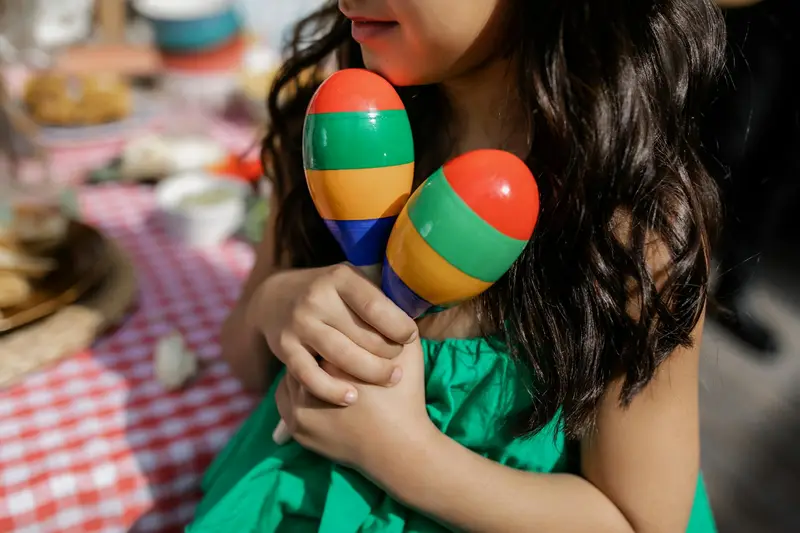
World Music Day is the international name for the Fête de la Musique, held every year on June 21, the date of the northern summer solstice. It began in France in 1982 as a government experiment with one simple rule that still holds: the music is live, played in public, and free for everyone to hear. Anyone can take part, from brass bands and choirs to a teenager with a guitar on a doorstep.
Origin: France, 21 June 1982
In October 1981 France’s culture minister, Jack Lang, appointed the music critic Maurice Fleuret as director of music and dance. The French Ministry of Culture’s own history of the festival says a 1982 survey by the ministry found that about five million people in France played an instrument, roughly one young person in two, yet organised concerts reached only a minority. Fleuret’s guiding idea was “la musique sera partout et le concert nulle part”: music would be everywhere, and the concert nowhere. Lang, Fleuret and the architect-scenographer Christian Dupavillon conceived the event, and the first Fête de la Musique took place on 21 June 1982, free and open to every genre and every musician (French Ministry of Culture, Fête de la Musique history).
A study published by the Fondation Jean-Jaurès adds that nobody is quite sure who had the idea first, that planning took only about three months, that 21 June was chosen over 22 November and 24 June, with a secular date preferred, and that the play on words “faites de la musique” (“make music”) appeared on the first poster (Fondation Jean-Jaurès).
Going international. The festival began spreading abroad in 1985, the European Year of Music. In 1997 a charter for a “Fête Européenne de la Musique” was signed in Budapest, open to partners outside Europe as well. By the ministry’s count the festival reached 85 countries within ten years, and more than 120 countries took part in 2017 (French Ministry of Culture).
A common myth. World Music Day is not a United Nations or UNESCO observance. It is a French government initiative that other cities copied, and each country or city runs its own version.
How Four Places Keep the Day
- France. The whole country takes part. The Ministry of Culture runs the official site, publishes the national programme in early May and asks organisers to register their concerts there (Espace organisateurs). Make Music Day’s own history puts it simply: in France “the country shuts down on the summer solstice and musicians take over” (Make Music Day).
- Berlin. Berlin has taken part since 1995. Official stages run free outdoor programmes until 10 p.m.; after that the music moves indoors for the “Fête de la Nuit.” Musicians play without a fee, and the event is meant to be “without commercial interests” (Fête de la Musique Berlin FAQ).
- New York and the United States. Aaron Friedman experienced the Fête in Paris in 2006 and organised the first Make Music New York in 2007 with founding board members Robert Singerman and Steven Swartz (Make Music New York). In 2014 organisers across North America formed the Make Music Alliance, which coordinates free concerts in well over a hundred U.S. cities each June 21 (Make Music Day). Its “Mass Appeal” events are designed for people who have never touched an instrument (Make Music Day FAQ).
- United Kingdom. The UK edition, Make Music Day UK, is led by the nonprofits Music For All and Making Music; on 21 June 2019 it counted 1,103 performances across England, Scotland and Wales (Make Music Day, United Kingdom).
The Free-Performance Rules
Every version shares the same core rules, though local details differ:
- Free to hear. France requires concerts to be live and “en accès gratuit pour tous” (free to all) (French Ministry of Culture). Make Music Day concerts must be free, unticketed and in public spaces (Make Music Day FAQ).
- Musicians are not paid by the organisers. Berlin’s performers play without a fee, though a stage may use income from food and drink to cover their expenses (Berlin FAQ). Make Music Day says musicians usually perform for free.
- Anyone can play. Amateurs, part-time professionals and established artists are all welcome; there is no audition.
- Local rules still apply. In France, street concerts must keep to the hours the municipality sets, and the music-rights body SACEM issues free authorisations for free 21 June concerts under certain conditions, including for bars that host unpaid musicians with free entry (French Ministry of Culture). In Berlin, unregistered street music is limited to 60 minutes in one spot, at least 20 metres from the nearest residents, and is not allowed near hospitals, care homes or memorial sites (Berlin FAQ).
How to Put On a Performance on June 21
If your city has a Make Music or Fête organisation:
- Find it. Make Music Day keeps a list of participating cities; registration runs through each city’s own website (Make Music Day). In France, use the ministry’s organiser area; in Berlin, use the Fête’s site.
- Register early. Make Music registration for June 21 usually opens in March or April. In France the official programme is published in early May, so register before then.
- Use the matchmaking tool. U.S. cities and Berlin both run matchmaking platforms where performers create a profile and request a slot, and venues (shops, cafés, porches, libraries) offer space and approve acts.
- Let the organiser handle public spaces. Parks and plazas usually need permits, which local organisers secure; book a slot there rather than turning up with an amplifier.
If there is no local organisation:
- Pick a spot with permission. A front porch, a shop doorway with the owner’s agreement, or a private courtyard. The French ministry suggests lining up more than one option and talking to neighbours and nearby businesses first (French Ministry of Culture).
- Check local rules. Ask the town hall or police about street-music hours and amplification.
- Sort out power. Street electricity is usually not available; bring battery amps or play acoustic, and tape cables flat to the ground.
- Set a short programme. Two or three 30-minute sets work well; post the times on a sign.
- Keep it free. No tickets and no charge at the door. Make Music Day’s FAQ confirms you can still take part this way, and its event toolkit has sample press releases and planning advice.
Messages
- “Faites de la musique! Happy Fête de la Musique, on every street corner from Paris to your town.”
- “Happy World Music Day! Bring your instrument outside and play for free on June 21.”
- “To every busker, brass band and bedroom guitarist playing for strangers today: thank you.”
- “Never touched an instrument? Join a Mass Appeal session on Make Music Day and start today.”
- “Music on the longest day of the year: happy World Music Day!”
- “Here’s to the musicians who play for nothing on June 21, and the crowds who stop to listen.”
Quotes
- “Music is the universal language of mankind. – Henry Wadsworth Longfellow”
- “Without music, life would be a mistake. – Friedrich Nietzsche”
- “Music expresses that which cannot be said and on which it is impossible to be silent. – Victor Hugo”
- “One good thing about music, when it hits you, you feel no pain. – Bob Marley”
- “Rhythm and harmony find their way into the inward places of the soul. – Plato”
- “If music be the food of love, play on. – William Shakespeare”
- “Music is a higher revelation than all wisdom and philosophy. – Attributed to Ludwig van Beethoven”
- “Music is the poetry of the air. – Attributed to Jean Paul Richter”
- “Where words fail, music speaks. – Attributed to Hans Christian Andersen”
FAQ
When is World Music Day 2027? World Music Day is celebrated annually on June 21st, making it Monday, June 21, 2027.
Who established World Music Day? France’s Ministry of Culture. Culture minister Jack Lang, music director Maurice Fleuret and scenographer Christian Dupavillon conceived it, and the first Fête de la Musique took place on 21 June 1982 (French Ministry of Culture).
Why June 21? It is the northern summer solstice, the longest day of the year in France, which gives musicians the most daylight to play outdoors. Organisers in 1982 also considered 22 November and 24 June before settling on the solstice (Fondation Jean-Jaurès).
Is World Music Day the same as Make Music Day? Yes. “Make Music Day” is the English name used in the U.S., the UK and other countries, taken from the French pun “faites de la musique.” Make Music New York began in 2007 and the Make Music Alliance was formed in 2014 (Make Music Day).
Can I charge for tickets or get paid? Not as part of the official event. Concerts must be free to the public, and musicians generally play without a fee from organisers (Berlin FAQ; Make Music Day FAQ).
Related Celebrations
As you celebrate World Music Day, explore our guides for International Dance Day for movement and rhythm, the Summer Solstice that shares its date, and National Poetry Month for artistic expression.
Related holidays
November 1
Day of the Dead
December 26
Kwanzaa: Origin, Seven Principles
June 21
International Day
June 8
Best Friends Day