Thanksgiving Traditions and Recipes: A Complete Guide to the Perfect Gathering
From classic turkey recipes to modern twists on tradition, plan your ideal Thanksgiving celebration with our guide to food, gratitude practices, and family activities.
Thanksgiving is one of the most cherished holidays in the American calendar, a day set aside for gratitude, togetherness, and a meal that brings families to the same table. Whether you are hosting for the first time or looking to refresh your annual tradition, this guide covers everything from the history behind the holiday to practical tips for creating a gathering that everyone will remember.
A Brief History of Thanksgiving
The story most Americans know begins in 1621, when Pilgrims and Wampanoag people shared an autumn harvest feast in Plymouth, Massachusetts. While the historical reality is far more complex than the simplified narrative, the spirit of giving thanks for abundance and community endures.
Thanksgiving became an official national holiday in 1863, when President Abraham Lincoln proclaimed a day of gratitude during the Civil War. Since then, it has been observed on the fourth Thursday of November and has evolved into a celebration centered around family, food, and reflection. Understanding the history adds depth to the holiday and offers an opportunity to acknowledge the full story, including the experiences of Indigenous peoples, as part of the day’s observance.
Planning the Meal: A Timeline for Success
A successful Thanksgiving dinner does not happen by accident. It requires planning that begins well before the big day.
Two Weeks Before
Finalize your guest list, confirm any dietary restrictions, and plan your menu. This is the time to decide which dishes you will make from scratch and which you might delegate to guests who offer to bring something. Create a comprehensive shopping list organized by category: proteins, produce, dairy, pantry staples, and beverages.
One Week Before
Purchase all nonperishable items and order your turkey if you have not already. A good rule of thumb is to plan for about one and a half pounds of turkey per guest. If you are brining or dry-brining the bird, research your method now so you know exactly when to start.
Two to Three Days Before
Buy perishable items like fresh herbs, cream, and produce. Prepare any dishes that improve with time, such as cranberry sauce, pie dough, and brined pickles. Clear space in your refrigerator, as you will need more room than you expect.
The Day Before
Chop vegetables, prepare casserole bases, and set the table. If you are brining your turkey, get it started according to your recipe’s timeline. Bake pies and desserts so they are ready to serve without last-minute oven competition.
Thanksgiving Morning
Begin cooking the turkey first, as it requires the longest time in the oven. Work through your side dishes in order of cooking time, and enlist helpers for last-minute tasks like mashing potatoes and making gravy.
Classic Recipes Overview
The Turkey
A well-roasted turkey is the centerpiece of Thanksgiving dinner. For a classic preparation, season the bird generously inside and out with salt, pepper, and fresh herbs like sage, thyme, and rosemary. Place aromatics such as onion, celery, and lemon inside the cavity. Roast at 325 degrees Fahrenheit, basting occasionally, until the thickest part of the thigh reaches 165 degrees. Let the turkey rest for at least thirty minutes before carving to allow the juices to redistribute.
For deeper flavor, consider a dry brine. Rub the entire turkey with a generous amount of kosher salt and refrigerate uncovered for 24 to 48 hours. This method produces exceptionally crispy skin and well-seasoned meat throughout.
Stuffing and Dressing
Whether you call it stuffing or dressing often depends on where you grew up. The classic version starts with cubed bread (stale or toasted), sauteed onions and celery, fresh sage, and chicken or turkey broth. Some families add sausage, chestnuts, dried cranberries, or oysters. Bake in a casserole dish until the top is golden and crisp while the interior remains moist.
Cranberry Sauce
Homemade cranberry sauce is remarkably simple and vastly superior to the canned version. Combine fresh cranberries with sugar, orange juice, and a pinch of cinnamon in a saucepan. Cook over medium heat until the berries burst and the sauce thickens, about fifteen minutes. It can be made several days ahead and stored in the refrigerator.
Pumpkin Pie
A classic pumpkin pie starts with a flaky, butter-based crust filled with a smooth custard of pumpkin puree, eggs, cream, sugar, and warm spices including cinnamon, ginger, nutmeg, and cloves. Bake until the filling is set but still has a slight jiggle in the center. Serve with freshly whipped cream.
Modern Alternatives for Today’s Table
Vegetarian and Vegan Mains
Not every guest eats meat, and a thoughtful host plans accordingly. A stuffed acorn squash filled with wild rice, cranberries, and pecans makes an elegant centerpiece. A savory mushroom and lentil Wellington wrapped in puff pastry is hearty enough to satisfy anyone at the table. A whole roasted cauliflower with tahini sauce and pomegranate seeds offers visual drama and complex flavor.
International Sides
Thanksgiving is a celebration of abundance, and your side dishes do not need to be strictly traditional. Consider adding a Japanese-inspired miso-glazed sweet potato dish, a Middle Eastern grain salad with herbs and pomegranate, or an Italian-style roasted root vegetable medley with balsamic glaze. These additions keep the spirit of the holiday alive while reflecting the diverse tastes of modern families.
Gratitude Activities That Deepen the Day
The Thankful Jar
Place a jar and slips of paper at the entrance or on the dining table. Ask each guest to write down something they are grateful for and place it in the jar. Read them aloud before or after the meal. This simple activity can produce surprisingly moving moments and gives everyone, including quieter family members, a chance to share.
Round-Table Sharing
Before the meal begins, go around the table and invite each person to share one thing they are grateful for from the past year. Keep it relaxed and voluntary. Some families make this a tradition that guests look forward to year after year, and looking back over previous years reveals how much has changed and grown.
A Gratitude Walk
After the meal, gather the group for a walk around the neighborhood or a nearby park. The fresh air aids digestion, and the informal setting encourages conversations that might not happen at the table. Walking side by side often makes it easier for people to open up.
Kid-Friendly Activities
A Craft Table
Set up a designated craft station with supplies for making turkey hand-print art, leaf rubbings, or gratitude place cards. This gives children a focused activity while adults finish meal preparation and provides decorations that become keepsakes.
A Scavenger Hunt
Create a Thanksgiving-themed scavenger hunt with clues hidden around the house or yard. Include items related to the holiday, such as a pine cone, a red leaf, or a wooden spoon. Small prizes or early dessert privileges make excellent rewards.
Storytelling Time
Invite older family members to share stories from past Thanksgivings. Children love hearing about what their parents and grandparents did at their age, and these oral histories strengthen family bonds across generations.
Hosting Tips for a Smooth Celebration
Table Setting
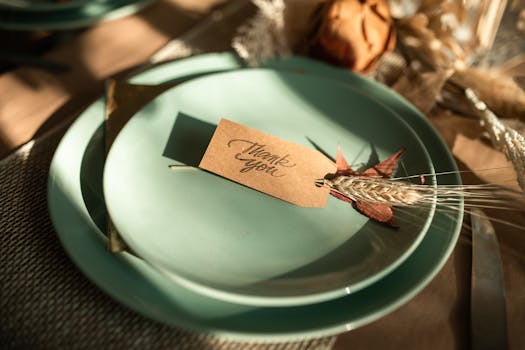
Your table does not need to look like a magazine cover to feel special. A simple runner, a few candles, and small seasonal touches like miniature pumpkins or scattered leaves create warmth without requiring a large investment. Use place cards to encourage mingling by seating people next to someone they do not usually sit beside.
Managing Dietary Restrictions
Ask about dietary needs when you invite guests, not at the last minute. Label dishes clearly so guests with allergies or restrictions can navigate the spread with confidence. Ensure that at least two or three substantial dishes are naturally free of common allergens. A well-stocked table where everyone can find something to enjoy is the mark of a generous host.
Beverage Planning
Offer a range of options including wine, beer, cider, sparkling water, and a non-alcoholic punch or mocktail. Apple cider, both hot and cold, is a quintessential Thanksgiving beverage that appeals to all ages. Set up a self-serve drink station to reduce your workload during the meal.
The Day After: Extending the Celebration
Thanksgiving leftovers are a tradition in their own right. A well-constructed turkey sandwich with cranberry sauce and stuffing on crusty bread is one of the great pleasures of the holiday weekend. Turkey soup made from the carcass, simmered with vegetables and herbs, can feed the family for days.
Beyond food, the day after Thanksgiving is an ideal time for low-key family activities. Put together a puzzle, watch a classic movie, or take a longer hike to enjoy the late autumn landscape. Some families use the day to begin holiday decorating, turning leftover Thanksgiving energy into anticipation for the season ahead.
Creating Your Own Traditions
The most meaningful Thanksgiving gatherings are shaped not by perfection but by intention. Whether your table seats four or forty, the heart of the holiday is the same: pausing to appreciate what you have and sharing that abundance with the people you love. Start a new tradition this year, even a small one, and it may become the thing your family looks forward to most.