The Ultimate Guide to Planning the Perfect Birthday Party
Plan an unforgettable birthday celebration with our comprehensive guide covering themes, venues, food, activities, and timelines for guests of all ages.
A birthday party is more than just cake and candles. It is a celebration of someone’s life, a chance to gather the people who matter most, and an opportunity to create memories that will be talked about for years to come. Whether you are planning a first birthday bash for a toddler, a milestone celebration for a parent, or a casual get-together for a friend, the difference between a good party and a great one comes down to thoughtful planning.
This guide walks you through every stage of the process, from the first brainstorm to the day after cleanup, so you can host a birthday celebration that feels effortless and unforgettable.
The Planning Timeline
Organization is the foundation of any successful party. Spreading the work across several weeks keeps the process manageable and prevents last-minute stress.
Four Weeks Before the Party
This is when the big decisions happen. Start by setting your budget. Be honest about what you can spend, and allocate funds across the major categories: venue, food, decorations, entertainment, and party favors. Having a clear budget from the start prevents overspending and helps you prioritize what matters most.
Next, choose your date and time. Consider the guest of honor’s schedule, of course, but also think about what works best for your expected guests. Weekend afternoons are generally the safest bet for children’s parties, while adults may prefer an evening gathering. Avoid major holidays and local events that could conflict with attendance.
Send invitations at this stage, whether digital or printed. Include all essential details: date, time, location, theme (if any), RSVP deadline, and any special instructions such as dress code or parking information. For children’s parties, clarify whether siblings or parents are expected to stay.
Two Weeks Before the Party
By now, RSVPs should be coming in. Follow up with anyone who has not responded, and begin finalizing your headcount. This number drives everything from food quantities to seating arrangements and party favor counts.
Order or purchase your decorations, plates, napkins, and any themed supplies. If you are hiring entertainment, such as a magician, DJ, or face painter, confirm the booking and discuss logistics. Plan your menu and make a detailed shopping list, separating items you can buy now from those that need to be purchased fresh closer to the event.
If the party involves activities or games, gather all the materials you will need and do a quick test run. Nothing derails a party faster than a game that does not work as expected.
One Week Before the Party
This is the week for preparation and production. Bake and freeze anything that can be made ahead. Prepare decorations that require assembly, such as balloon arrangements, banners, or centerpieces. Create a playlist if you are handling music yourself, and make sure you have a speaker or sound system ready.
Finalize the party schedule. Map out the flow of the event from arrival to departure, noting when food will be served, when activities will happen, and when the cake moment will take place. A loose timeline keeps the party moving without making it feel overly structured.
Clean and organize your space if you are hosting at home. Set up as much as possible the night before to minimize the morning-of rush.
The Day of the Party
Give yourself at least two hours before guests arrive to handle final setup. Inflate balloons (helium balloons deflate faster than you might expect, so fill them as close to party time as possible), set out food, arrange the activity stations, and do a final walkthrough to make sure everything looks and feels right.
Designate a spot near the entrance for gifts and a separate area for coats and bags. If the party is outdoors, have a backup plan for weather. And most importantly, take a deep breath. The planning is done. Now it is time to enjoy.
Choosing a Theme
A theme gives a party cohesion and makes decorating decisions much easier. But a theme does not have to mean expensive licensed characters or elaborate setups. Some of the best party themes are simple concepts executed well.
For children, popular themes include animals, outer space, superheroes, princesses, dinosaurs, under the sea, and favorite storybook characters. For teens, consider a movie night, a decades-themed party (like the 80s or 90s), a luau, or a gaming tournament. For adults, think about color-based themes (all white, black and gold), a specific cuisine (taco bar, sushi night), a cocktail party, or a nostalgic throwback to the guest of honor’s favorite decade.
If a theme feels like too much, a simple color palette of two or three coordinating colors can tie everything together beautifully without requiring themed plates and napkins.
Venue Options
The venue sets the tone for the entire celebration. Each option comes with its own advantages and considerations.
Hosting at Home
A home party offers maximum control, comfort, and cost savings. You set the schedule, you control the music, and there are no rental fees. The trade-off is the setup and cleanup, which fall entirely on you, and space limitations that may affect your guest count.
To make a home party work smoothly, clear out unnecessary furniture to create open space, set up distinct zones for food, activities, and socializing, and protect surfaces that could be damaged by spills or foot traffic.
Parks and Outdoor Spaces
Public parks offer ample space, playground equipment for kids, and a natural backdrop that requires minimal decoration. Many parks have pavilions or picnic areas that can be reserved for free or a small fee. The main considerations are weather dependence, access to restrooms, and the need to bring all your own supplies, including tables, chairs, and trash bags.
Renting a Venue
Dedicated party venues, community centers, restaurants with private rooms, and event spaces take much of the logistical burden off your shoulders. Many offer packages that include tables, chairs, decorations, and even food. The convenience comes at a higher cost, but for larger gatherings or milestone birthdays, the investment can be well worth it.
Age-Appropriate Activities
The right activities keep guests engaged and energized. Tailor your choices to the age group you are hosting.
Kids (Ages 3 to 8)
Young children thrive with structured, simple activities that include plenty of movement and sensory engagement. Musical chairs, freeze dance, a scavenger hunt, a craft station, and classic relay races are reliable hits. Keep activities short, around 10 to 15 minutes each, since young attention spans move quickly. Having a few backup games ready is always wise.
Tweens and Teens (Ages 9 to 17)
This age group wants to feel like the party is cool, not childish. Escape room-style challenges, karaoke, video game tournaments, DIY stations (like decorating phone cases or making bracelets), photo booths with props, and outdoor sports are all popular choices. Give teens some unstructured time as well. They appreciate the chance to socialize without constant organized activities.
Adults
Adult party activities should encourage socializing and laughter. Trivia games tailored to the guest of honor’s life, a wine or cocktail tasting, a murder mystery, a poker night, or simply great music and conversation are all excellent options. For milestone birthdays like 30th, 40th, or 50th celebrations, a slideshow or video montage of the guest of honor’s life always draws a crowd and sparks wonderful conversations.
Milestone Birthdays
Milestone birthdays deserve special touches. Consider a “through the decades” display showing photos from each era of the guest of honor’s life, a memory book where guests can write their favorite stories and well-wishes, or a surprise element like a special guest or a meaningful location. These celebrations are as much about honoring the journey as they are about the party itself.
Food and Cake
Party food should be easy to eat, easy to serve, and appealing to your guest list. For children’s parties, finger foods are king: mini sandwiches, fruit skewers, cheese and crackers, popcorn, and veggie cups with dip. For adult gatherings, consider a build-your-own station (tacos, sliders, pizza) that allows guests to customize their plates and encourages mingling.
Always account for dietary restrictions. Having a few clearly labeled vegetarian, gluten-free, and allergen-free options shows your guests that their needs were considered.
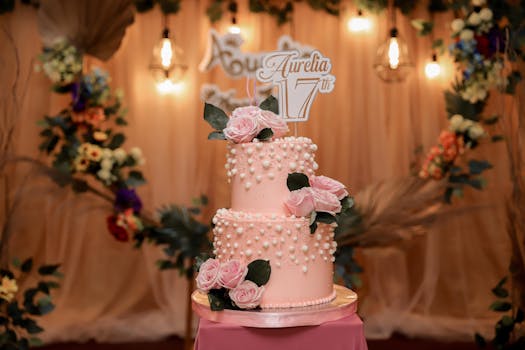
The birthday cake remains the centerpiece of any celebration. If baking is not your strength, many grocery stores offer affordable custom cakes, and local bakeries can create stunning designs for a reasonable price. For a fun alternative, consider a cupcake tower, a donut wall, or an ice cream sundae bar that lets guests build their own desserts.
Decoration Tips
Decorations create atmosphere, but they do not need to break the bank. Focus on a few high-impact elements rather than covering every surface. Balloons, streamers, a banner, and a well-styled food table can transform any space.
Use height variation in your displays. Cluster items at different levels to create visual interest. A combination of tall candlesticks, medium flower arrangements, and low-profile scattered confetti makes a table feel dynamic and intentional.
A photo backdrop is a worthwhile investment of time and money. Whether it is a simple wall of streamers, a balloon arch, or a fabric drape with string lights, it gives guests a spot for memorable photos and adds a focal point to your decor.
Party Favors
Sending guests home with a small token of appreciation is a thoughtful touch. For kids, avoid bags of cheap plastic toys that end up in the trash. Instead, consider a small book, a bag of homemade cookies, a succulent plant, or a simple craft kit. For adults, a small candle, a bag of gourmet popcorn, or a mini bottle of something special works well.
Presentation matters. A simple kraft paper bag with a handwritten thank-you tag elevates even a modest favor into something that feels considered and personal.
After the Party
The celebration does not end when the last guest leaves. Within a day or two, send a quick thank-you message to your guests, either individually or as a group, expressing your appreciation for their presence and any gifts. Share photos from the event so everyone can relive the fun.
If guests brought gifts, help the birthday person write thank-you notes promptly. A short, specific note mentioning the gift and how it will be used goes a long way in making the giver feel appreciated.
Finally, take a moment to reflect on what went well and what you might do differently next time. Jot down a few notes while the experience is fresh. Future you will be grateful for those insights when the next birthday rolls around.
Planning a birthday party takes effort, but the result, a room full of people celebrating someone they care about, is always worth it. Start early, stay organized, and remember that the most important ingredient is not the decorations or the food but the joy of being together.