Cultural Celebrations Around the World: A Journey Through Global Festivities
Discover vibrant celebrations from every continent, from India's Diwali to Brazil's Carnival. Learn about the traditions, foods, and customs that unite communities worldwide.
Every corner of the globe has its own way of marking the passage of time, honoring ancestors, and bringing communities together. Cultural celebrations are windows into the values, histories, and spirits of the people who observe them. Whether you are a seasoned traveler or an armchair explorer, learning about these festivities can deepen your understanding of the world and inspire new ways to celebrate in your own life. Here is a journey through ten of the most vibrant celebrations on Earth.
Diwali — The Festival of Lights (India)
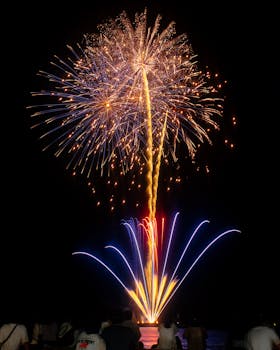
Diwali is one of the most widely celebrated festivals in the world, observed by Hindus, Jains, Sikhs, and some Buddhists. Spanning five days, typically in October or November, Diwali symbolizes the triumph of light over darkness and good over evil. Homes and streets are adorned with rows of oil lamps called diyas, colorful rangoli patterns decorate doorsteps, and fireworks illuminate the night sky.
The celebration includes prayer ceremonies dedicated to Lakshmi, the goddess of wealth and prosperity. Families gather to share elaborate feasts featuring sweets like gulab jamun, barfi, and jalebi, alongside savory dishes such as samosas and paneer tikka. Gift-giving is a central tradition, with boxes of sweets and dry fruits exchanged among friends, neighbors, and colleagues.
What Visitors Can Learn
Diwali teaches the value of renewal, generosity, and the power of community. The practice of cleaning and decorating homes before the festival is a reminder that fresh starts begin with the spaces we inhabit.
Carnival — The World’s Biggest Party (Brazil)
Brazil’s Carnival, held in the days leading up to Lent, is a spectacle of music, dance, and color that draws millions of visitors each year. Rio de Janeiro’s Sambadrome is the epicenter of the festivities, where elaborate samba school parades compete for top honors with dazzling floats and thousands of costumed dancers.
Street parties known as blocos take over neighborhoods across the country, offering free music and dancing to anyone who joins. Traditional Carnival foods include feijoada, a hearty black bean and pork stew, along with acaraje, deep-fried black-eyed pea fritters filled with shrimp.
What Visitors Can Learn
Carnival celebrates self-expression and collective joy. It demonstrates how art, music, and dance can dissolve social barriers and unite people from every walk of life.
Chinese New Year — A Season of Reunion
Chinese New Year, also known as the Spring Festival, is the most important holiday in the Chinese calendar. Celebrated over fifteen days beginning with the first new moon of the lunar year, it is a time of family reunion, feasting, and honoring ancestors.
Preparations begin weeks in advance, with thorough house cleaning to sweep away bad fortune. Red decorations dominate because the color symbolizes luck and prosperity. The New Year’s Eve reunion dinner is the highlight, featuring dishes like dumplings, whole fish, and nian gao (sticky rice cake), each carrying symbolic meaning. The festival concludes with the Lantern Festival, where streets glow with ornate lanterns and families gather to solve riddles.
What Visitors Can Learn
Chinese New Year underscores the importance of family bonds and the practice of starting fresh. The intentional symbolism behind every dish and decoration is a reminder that meaning can be woven into the smallest details of celebration.
Oktoberfest — A Toast to Bavarian Culture (Germany)
Oktoberfest in Munich is the world’s largest folk festival, running for roughly sixteen days from late September into early October. What began as a royal wedding celebration in 1810 has grown into a global phenomenon attracting over six million visitors annually.
The festival takes place on the Theresienwiese fairground, where massive beer tents hosted by traditional breweries serve specially brewed Oktoberfest lagers. Traditional Bavarian cuisine is central to the experience, including pretzels, roast chicken, pork knuckle, and white sausages. Live brass bands play folk music, and attendees don traditional lederhosen and dirndls.
What Visitors Can Learn
Oktoberfest showcases the value of preserving cultural heritage while welcoming the world. It proves that local traditions, when shared openly, become a source of global connection.
Day of the Dead — Honoring Those Who Have Passed (Mexico)
Dia de los Muertos, celebrated on November 1st and 2nd, is a deeply meaningful Mexican tradition that honors deceased loved ones. Far from being a somber occasion, it is a colorful and joyful celebration of life and memory.
Families build ofrendas, or altars, decorated with marigolds, candles, photos, and the favorite foods and belongings of the departed. Cemeteries become gathering places where families clean and decorate graves, share meals, and play music. Iconic foods include pan de muerto, a sweet bread adorned with bone-shaped decorations, and sugar skulls inscribed with the names of the departed.
What Visitors Can Learn
The Day of the Dead teaches that grief and celebration are not opposites. By remembering loved ones with joy, communities transform loss into a lasting connection that spans generations.
Holi — The Festival of Colors (India)
Holi marks the arrival of spring and is celebrated with an exuberant explosion of color. Participants throw brightly colored powders and water at one another, turning streets into living canvases. The festival begins the evening before with Holika Dahan, a bonfire symbolizing the burning of evil.
Traditional Holi foods include gujiya, a sweet dumpling filled with dried fruits, and thandai, a spiced milk drink. Music and dancing fill the streets, and social conventions are temporarily set aside as people of all ages and backgrounds join the revelry.
What Visitors Can Learn
Holi is a celebration of equality and forgiveness. The shared experience of being drenched in color is a leveling act, reminding participants that joy is best when it is shared without reservation.
Songkran — Thailand’s Water Festival
Songkran marks the Thai New Year in mid-April and is famous for its citywide water fights. What began as a gentle tradition of pouring water over the hands of elders as a sign of respect has evolved into one of the most playful public celebrations in the world.
Beyond the water battles, Songkran is a time for visiting temples, making merit, and spending time with family. Traditional foods include khao chae, a dish of rice soaked in jasmine-scented water served with an array of delicate side dishes. The celebration lasts three days and is observed throughout the country.
What Visitors Can Learn
Songkran teaches the importance of respect for elders alongside the freedom to celebrate with abandon. The water symbolizes purification and the washing away of misfortune, offering a refreshing start to the new year.
Mardi Gras — New Orleans’ Grand Tradition (USA)
Mardi Gras, or Fat Tuesday, is the culmination of weeks of parades, balls, and festivities in New Orleans. The celebration has roots in French Catholic traditions and has become one of the most iconic cultural events in the United States.
Elaborate float parades organized by social clubs called krewes wind through the city streets, tossing beads, doubloons, and trinkets to cheering crowds. King cake, a ring-shaped pastry decorated in purple, gold, and green, is the signature treat of the season. Each cake contains a tiny figurine, and whoever finds it is said to receive good luck.
What Visitors Can Learn
Mardi Gras celebrates the spirit of indulgence before a season of reflection. It demonstrates how a city can build its identity around shared celebration and communal generosity.
Eid al-Fitr — Breaking the Fast
Eid al-Fitr marks the end of Ramadan, the Islamic holy month of fasting, and is celebrated by Muslims around the world. It is a time of gratitude, prayer, and togetherness. The day begins with a special prayer at the mosque, followed by visits to family and friends.
Generosity is a cornerstone of the holiday, with obligatory charitable giving known as Zakat al-Fitr ensuring that everyone can participate in the celebration. Traditional foods vary by region but often include sweet dishes such as sheer khurma in South Asia, ma’amoul cookies in the Middle East, and ketupat rice cakes in Southeast Asia.
What Visitors Can Learn
Eid al-Fitr highlights the connection between discipline and celebration. The joy of the holiday is deepened by the month of fasting and self-reflection that precedes it, teaching that gratitude is most powerful when it is earned.
Hanami — Cherry Blossom Viewing (Japan)
Hanami is the centuries-old Japanese tradition of appreciating the fleeting beauty of cherry blossoms in spring. Families, friends, and coworkers gather beneath blooming sakura trees in parks and along riverbanks for picnics and quiet contemplation.
The practice dates back over a thousand years and is deeply tied to the Japanese concept of mono no aware, the bittersweet awareness of impermanence. Hanami picnics feature bento boxes, rice balls, sakura mochi, and sake. The atmosphere is one of peaceful enjoyment, though popular spots can become lively and festive.
What Visitors Can Learn
Hanami teaches mindfulness and an appreciation for the present moment. The blossoms last only a week or two, making the celebration a poignant reminder that beauty is most precious because it does not last forever.
A World United by Celebration
Though these festivals span continents, religions, and centuries, they share common threads: the desire to connect with others, the need to mark the passage of time, and the impulse to find meaning through shared rituals. Exploring the world’s celebrations is not just about travel or spectacle. It is about understanding what makes us human and discovering that, despite our differences, our reasons for gathering together are remarkably the same.